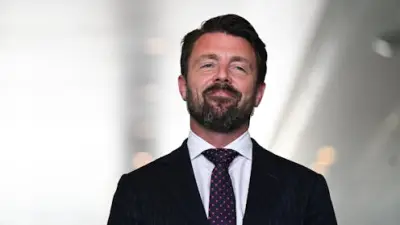
A new policy paper, The Productive State, released on Monday by Mathew Lawrence, a close ally of Andy Burnham, proposes reversing 40 years of privatisation in the UK. The blueprint, subtitled A Framework for Manchesterism, advocates for taking over failing utilities through a 'bonds for shares' mechanism and establishing state-owned competitors to make essential services like water, energy, and transport affordable.
Key Proposals in the Productive State
The paper argues that privatisation has imposed a 'privatisation premium' on households, a regressive hidden tax that transfers wealth to investors. It states: 'For millions of households, the basic non-negotiable expenses of life – rent, energy bills, water charges, transport fares, the cost of care – now consume so large a share of their income that insecurity has become a permanent condition.' The essay criticises the long trend of privatisation as central to the UK's growth and productivity struggles.
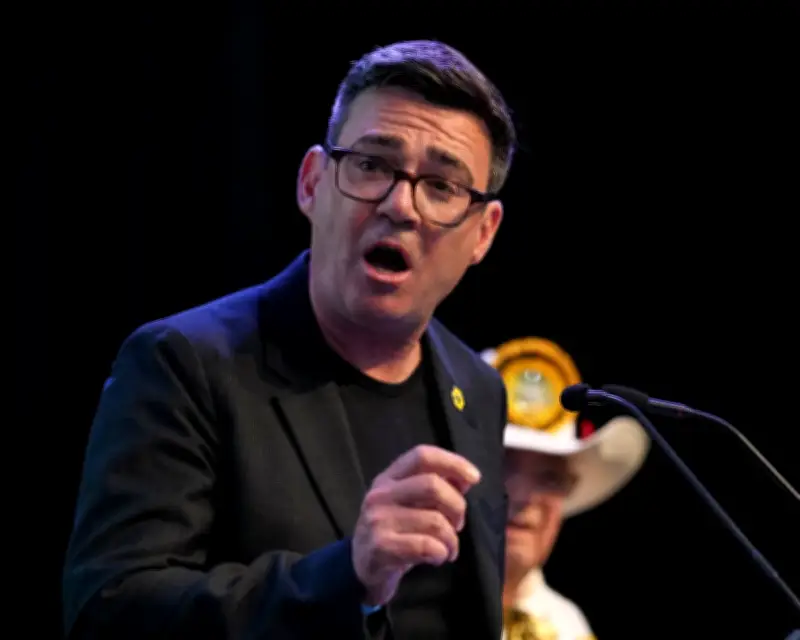
Burnham, arriving in Westminster to be sworn in as MP for Makerfield and widely expected to seek the Labour leadership, has long advocated for public control of utilities. The paper, published by the Mainstream Labour group, outlines a gradual approach: when a company like Thames Water is in financial distress, the government can use a 'special administration regime'. For healthy companies, a 'bond-for-share exchange' could allow acquisition without massive upfront cash, though it would require legislation and likely face legal challenges. Additionally, the state can set up commercial public corporations to gradually assert control.

Support from Labour Figures
Miatta Fahnbulleh, a former minister advising Burnham, called the paper 'an important contribution to the debate on how we fix this, deliver the change that people are crying out for and start to rebuild our broken economy'. Labour peer Stewart Wood described it as a 'valuable contribution to rethinking a social-democratic case for a more active state'. Labour MP Yuan Yang noted: 'Change requires a diagnosis and a solution that matches the scale of our challenges.' Luke Hurst, national coordinator of Mainstream, said: 'We need a much more transformative offer and real debate within the party about our platform and priorities.'
Impact and Market Reactions
Burnham's commitment to public control has raised alarm in markets, but the essay argues that 'rebuilding Britain's systems of public provision is not the alternative to fiscal prudence. It is fiscal prudence.' The ultimate goal, according to the paper, is an economy 'in which the essentials of life are treated as rights rather than revenue streams, and society builds the abundance, security, and stability it currently lacks'. The Guardian has previously reported that Burnham's allies envision a 10-year project to bring large parts of water and energy sectors into public control, likely starting with Thames Water.