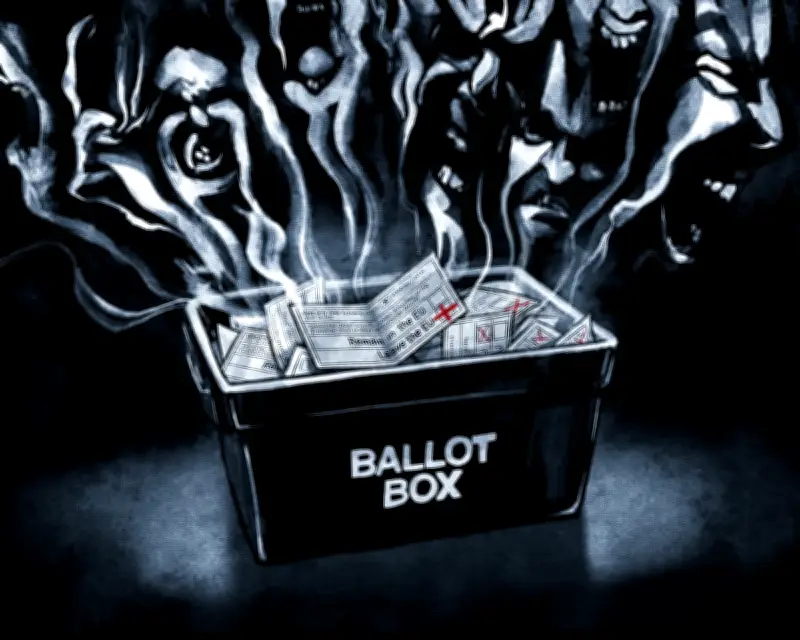
Ten years have passed since the United Kingdom voted to leave the European Union, a decision that has reshaped the nation's political and economic landscape. The promise of sovereignty and renewed global trade has given way to a reality of bureaucratic entanglements, economic stagnation, and a fraying union. As the anniversary approaches, the question is no longer whether Brexit was right or wrong, but how to make the best of a difficult situation.
The Unfulfilled Promises of Brexit
Brexit was sold as a return to national control and a gateway to prosperity. Instead, businesses face red tape, trade with the EU has become cumbersome, and the 'Global Britain' vision remains largely unrealised. The economic costs are clear: lower growth, higher inflation, and reduced investment. The political costs are equally stark, with the integrity of the United Kingdom under strain and public trust in government at a low ebb.
The Need for a Pragmatic Approach
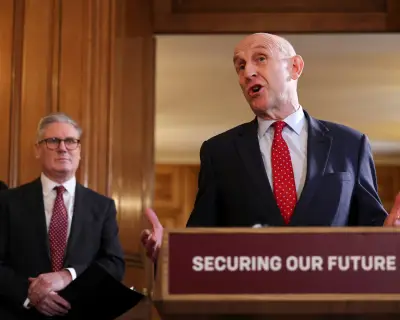
Labour, now in government, must chart a course that acknowledges the reality of Brexit while seeking to mitigate its damage. This does not mean rejoining the EU, which is neither feasible nor desired by a majority. Instead, it means pursuing a closer relationship with Europe through a bespoke deal that reduces barriers to trade and cooperation. It means investing in domestic industries, from green energy to advanced manufacturing, to build a resilient economy. And it means restoring faith in politics through transparency and competence.

Restoring Trust and Prosperity
The path forward requires honesty about the trade-offs involved. A closer EU relationship will require compromises, such as accepting some level of regulatory alignment or a role for the European Court of Justice in dispute resolution. But these are small prices to pay for the economic benefits of frictionless trade and collaboration on shared challenges like climate change and security.
A Vision for the Next Decade
Labour's task is to define a new national purpose beyond the Brexit debate. This means focusing on what unites Britons: a desire for secure jobs, affordable housing, a functioning health service, and a clean environment. By delivering on these priorities, the government can rebuild the social contract and demonstrate that politics can still improve lives. The tenth anniversary of the Brexit vote should not be a moment for regret, but for resolve—to reform what has not worked and restore what has been lost.