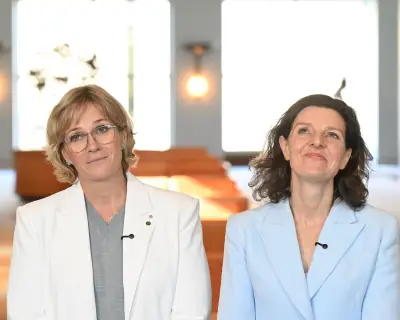
The Valerie Amos review into maternity care in England has delivered a damning indictment of systemic failures, finding that unsafe staffing levels, poor leadership, and a culture of blame have led to preventable deaths and injuries of mothers and babies. The independent review, chaired by Baroness Valerie Amos, was commissioned in response to scandals at NHS trusts including Shrewsbury and Telford, where hundreds of babies died or were left with brain damage.
Key Findings of the Report
The report, published on Thursday, identifies a 'normal birth' ideology that discouraged necessary medical interventions, contributing to catastrophic outcomes. It states that midwives and doctors were often overworked, with staff shortages reaching crisis levels. The review found that in some units, midwives were caring for up to three women simultaneously, far above safe limits.
According to the report, at least 1,000 babies and 200 mothers have died or suffered severe harm in the past decade due to avoidable errors in maternity care. The review also highlighted a 'toxic culture' where staff were afraid to speak up about concerns, and where whistleblowers were ostracized.

Criticism of 'Normal Birth' Agenda
A central theme of the review is the 'normal birth' philosophy, which prioritizes natural childbirth over medical intervention. The report says this dogma led to delayed caesareans, failure to monitor fetal distress, and reluctance to use forceps or ventouse. Baroness Amos stated: 'The obsession with normal birth has cost lives. We must move to a culture where the safety of mother and baby is the only priority.'
The review calls for an end to the 'normal birth' target, which was introduced under the previous government to reduce caesarean rates. It recommends that all maternity units adopt a 'safety first' approach, with clear protocols for when interventions are necessary.
Staffing and Leadership Failures
The report exposes chronic understaffing, with some units operating with 30% fewer midwives than needed. It notes that the NHS has lost 2,000 midwives since 2019, while birth rates have risen. The review also criticizes leadership, stating that trust boards often ignored warnings from frontline staff. 'There was a failure of leadership at every level,' the report says.
Bill Kirkup, a former obstetrician who led previous inquiries into maternity scandals, said the Amos review reinforces his own findings. 'This is a systemic problem that requires urgent action. The government must invest in staffing and culture change,' he said. The review recommends that the government fund an additional 3,000 midwives and 500 consultant obstetricians over the next five years.
Government Response
Health Secretary Wes Streeting welcomed the review and apologized to affected families. He announced an immediate ban on 'normal birth' targets and pledged £500 million for maternity services. 'We will learn from these failures and ensure every mother and baby receives safe, compassionate care,' he said.
However, campaigners argue that the funding is insufficient. The Royal College of Midwives called for a 'radical overhaul' of maternity services, warning that without more investment, the same tragedies will recur. The review also calls for a national maternity safety regulator, independent of the NHS, to monitor standards.
Impact on Families
The report includes harrowing testimony from families whose babies died or were left with severe disabilities. One mother, Sarah Jones, whose son was stillborn due to delayed intervention, said: 'I was told my birth was normal until it was too late. The system failed us.' The review recommends that all families affected receive a full apology and compensation without the need for lengthy legal battles.
The Amos review is the latest in a series of damning reports on NHS maternity care, following the Kirkup inquiry into Morecambe Bay and the Ockenden report into Shrewsbury and Telford. Critics say the government has repeatedly failed to act on previous recommendations.