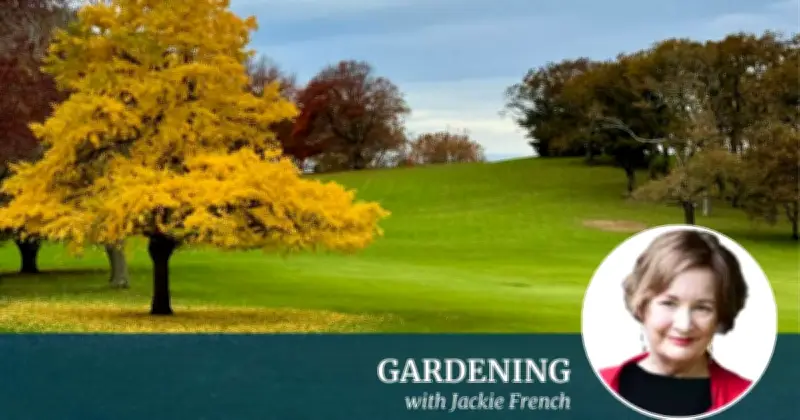
Ginkgo trees are remarkable survivors. They grow slowly, with an inner core that regenerates from damage that would kill other trees. For thousands of years, they have been a symbol of long life. Known as "living fossils," the ginkgo species is more than 200 million years old. A single ginkgo tree can live for a thousand years, and at least one tree is over 3,000 years old.
The Symbolism of Ginkgo Leaves
The two-lobed shape of ginkgo leaves has been a symbol of many things: love and friendship, yin and yang, the marriage of two people, and much more. It represents the combining of any two elements to make a 'one'. This unique shape has made the ginkgo a powerful emblem across cultures.
Why Ginkgo Trees Are Called Living Fossils
Ginkgo trees have survived for millions of years with little change. They are considered living fossils because they have remained almost identical to their ancient ancestors. Their resilience and longevity make them a subject of fascination for scientists and nature lovers alike.

- Ginkgo trees can live for over 1,000 years.
- They are more than 200 million years old as a species.
- Their leaves symbolize unity and duality.
In addition to their symbolic meanings, ginkgo trees are admired for their beauty and hardiness. They are often planted in cities because they can tolerate pollution and disease. Whether as a symbol of enduring love or a testament to nature's resilience, the ginkgo tree continues to inspire.