Why ‘I hate you’ stings so much
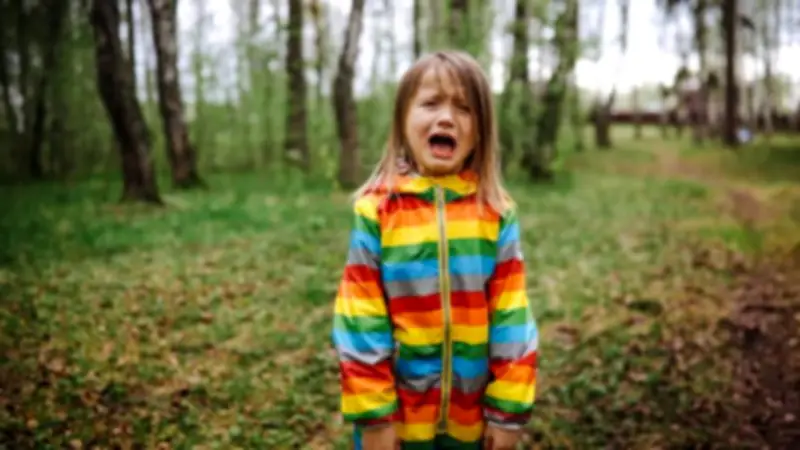
Hearing your child scream “I hate you” can feel like a punch to the gut. It’s a phrase that touches on a parent’s deepest insecurities: “Am I doing this right? Am I a good parent?” For parents who grew up in homes where strong emotions were dismissed or hidden, the outburst can feel alarming, disrespectful, or even shameful. Your instinct might be to shut it down quickly — but experts say there’s a better way.
What’s really going on when a child says ‘I hate you’
Young children, especially those under six, are in the early stages of learning to understand and regulate their emotions. The part of the brain responsible for emotional control is still developing. When a child is overwhelmed by anger at being told no, or disappointment at leaving the playground, they often lack the language to express those big feelings. So they reach for the strongest words they know — without grasping the true meaning.
The good news? Children are most likely to express big, uncomfortable emotions with the people they feel safest with. They trust that this person can handle their feelings, and they are confident their love is unconditional. This actually reflects a strong, secure parent-child relationship.

What parents can do in the moment
Here are seven steps to turn a hurtful moment into a teaching opportunity.
1. Take a breath before you respond. Notice what the comment brings up for you. Where possible, take a moment to regulate your own emotions so you can model emotional regulation for your child.
2. Acknowledge and validate the emotion. Name what you’re seeing: “I can see you’re really angry right now. That makes sense. You really wanted to keep playing, and it’s hard when we have to stop.” This isn’t about agreeing with the outburst — it’s about letting your child know their feeling has been seen and that anger itself is OK. Teaching children that all emotions are acceptable sets them up for strong emotional regulation skills later on.
3. Stay present while the feeling passes. Avoid problem-solving straight away. Keep your attention on your child — resist the urge to walk away, pick up your phone, or move straight to fixing things. Helping your child ride out the big emotion and find a calmer state is the goal. For some children, a hug or sitting calmly next to them works; others may want more space. Staying calm and present is often enough to help a child regulate.
4. Gently name the limit. Once there is more calm, remind your child that while all emotions are OK, telling someone you hate them can hurt their feelings. For example: “It’s OK to feel angry, but it’s not OK to say I hate you. What else could you say next time?”
5. Reconnect. After your child is calm, find a way to show they are safe and loved. Repairing after conflict is one of the strongest ways to build and sustain a secure attachment. Say something like: “That was hard. You were really upset. I love you, even when you’re angry.”
6. Help build their emotional literacy. Teaching kids to recognise and name all their emotions can give them the words to say “I’m angry” next time. Integrate this into play and through books. Practise strategies for responding to strong emotions — like jumping up and down, colouring, going outside, or petting a pet — when they are calm, so those tools are ready when intense emotions arrive.
7. Remember that support is available. If you find yourself upset by these moments often, or they bring up issues from your own past, reach out for support. Talking to a friend, GP, psychologist, or helpline can make a real difference. Helplines include: PANDA (1300 726 306) for perinatal mental health; Beyond Blue (1300 22 4636); Mensline (1300 78 99 78); and 13YARN (13 92 76) for Aboriginal and Torres Strait Islander peoples.