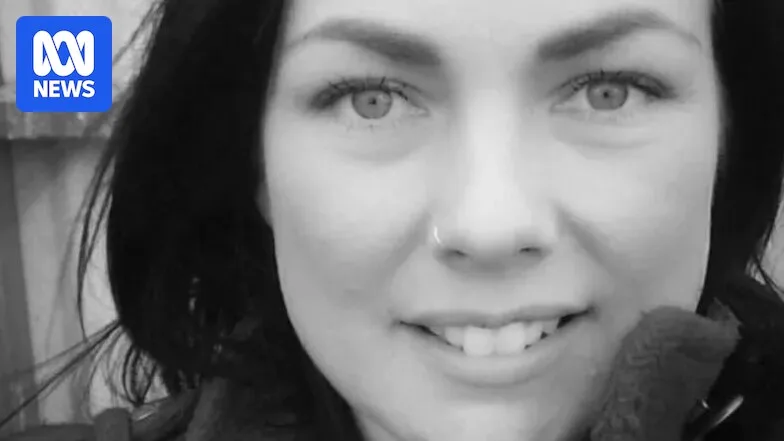
A coronial inquest this week is examining the death of Melbourne wellness influencer Stacey Warnecke after a freebirth at her home in September. About 25 minutes after her son Axel was born, Warnecke suffered a postpartum haemorrhage (severe blood loss after birth) and, without timely treatment, went into cardiac arrest. The inquest aims to determine why Warnecke chose a freebirth, in order to prevent similar deaths in the future. It heard that Warnecke believed a freebirth was the only way to have a baby entirely on her own terms.
But what does the research say about other women who seek a freebirth? My colleagues and I have been investigating this question for the past decade. Here is what we have found.
What Is a Freebirth and a Birth Keeper?
A freebirth occurs when a woman chooses to give birth, typically at home, without a registered health professional such as a midwife or doctor in attendance. This differs from a homebirth, where women are cared for by a registered midwife. Freebirths are also referred to as unassisted or wild births. Sometimes only the partner, a friend, or a relative is present, but more often women hire an unregulated birth worker, such as a “birth keeper” or doula, for support.

Unregulated birth workers lack formal training, medical equipment, and skills to detect and manage complications. However, our research has shown that unregulated birth workers often provide clinical care, such as assessing the baby’s growth or listening to the baby’s heart during labour.
What Are the Risks of Freebirth?
Freebirths carry risks that a trained midwife at a homebirth could detect early and manage, or that would prompt a timely transfer to a nearby hospital. Home births with a registered midwife linked to a responsive health system have a good safety record in Australia. Midwives now provide more than 20 publicly funded homebirth services connected to public hospitals across Australia. However, most homebirths involve privately practising midwives that families pay for out of pocket.
Even when a woman’s pregnancy and birth are considered low risk, emergencies can occur: postpartum haemorrhages, the newborn baby needing resuscitation, or the mother requiring extra medical care. These emergencies demand specialised skills, equipment, and timely transfers to hospital.
Rising Popularity but Little Data About Harms
We do not know how the statistical risks of freebirths compare with homebirths that have a private registered midwife or are linked to a hospital, as this data is not collected. However, the number of coronial findings and media reports of harms from freebirths over the past few years is a cause for concern. In recent years, and particularly since the COVID-19 pandemic, social media influencers have established communities of like-minded people to share content about freebirths. These messages have gained momentum and interest, while trust in institutions and experts has declined.
Why Women Might Make This Choice
Women who choose to freebirth are more likely to have had a baby before (77%), to be white, and to be well-educated. Freebirths seem more common in regions with higher rates of homebirths, where communities seek a more natural approach to life. A previous negative birth experience—resulting from a traumatic event, health provider abuse, coercion, or care delivered without consent—is a major motivator for a subsequent freebirth.
A previous negative birth experience may include an unwanted medical intervention such as a caesarean section, or a lack of choice, such as not being able to have a homebirth or a vaginal birth after caesarean in mainstream maternity care. Some women who have a freebirth try to make the process safer for themselves and their baby. They may have attempted to find a midwife for a homebirth but could not afford the cost or were unable to access one because it was considered too risky. Sometimes, a woman had a birth that went very well the first time or was very fast, making a freebirth seem like a safe alternative.

It is not that women who choose a freebirth are unaware of the risks. Women carefully consider risk but often view unwanted intervention and birth trauma as unacceptable risks in themselves. The recent New South Wales Birth Trauma Inquiry received thousands of submissions from women reporting traumatic experiences. We analysed 1,213 of these publicly available submissions and found that over 75% of reported birth trauma was due to disrespect, abuse, or health care provided without consent.
What Can We Do to Reduce Freebirths?
Our maternity system needs to offer women choices and humanise the care it provides. Sometimes health services unintentionally recreate conditions and memories of a previous traumatic experience or a past birth experience that prompts women to avoid this care in the future. Health-care providers must be part of the solution, not part of the problem. Like any skill, they need training in informed consent and trauma-informed care.
A landmark Victorian judgment in March clarified the legal stakes of coercive maternity care. Plaintiff Larissa Gawthrop’s birth plan stated: “I decline all vaginal examinations unless there is an urgent medical reason to do so.” When she arrived at Bendigo Health in labour, she was told she would not be admitted unless she agreed to a vaginal examination. After several hours, she relented. Bendigo Health was ordered to pay A$275,000 in damages because consent was not given in a free, informed, or voluntary way. This judgment, alongside the 2024 NSW Birth Trauma Inquiry, represents a significant shift in how women’s autonomy and informed choice must be respected.
Addressing systemic changes and behaviours would reduce the numbers of women choosing to freebirth. High rates of birth intervention in Australia are also leading to more birth trauma and fear about birth. Likewise, the lack of birth centres and availability of homebirth without huge private fees needs to be addressed to provide women with safe and acceptable options.