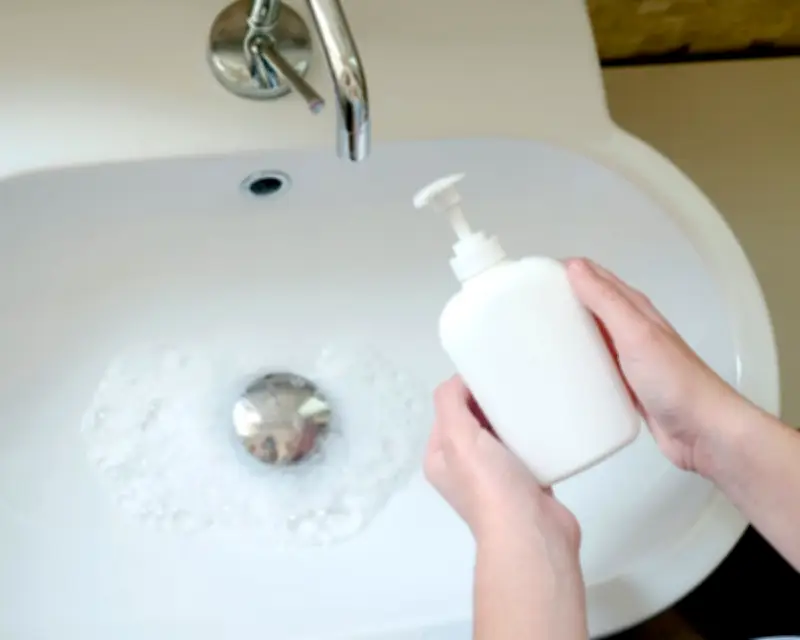
A seemingly simple task—getting soap from a public dispenser—has become a source of frustration for many. A recent investigation has shed light on why these devices often fail to deliver, turning a routine handwashing into a battle of wills.
The Problem with Public Soap Dispensers
Public soap dispensers are ubiquitous in restrooms, but their reliability is notoriously poor. A study conducted by the University of Applied Sciences in Switzerland found that nearly 30% of public soap dispensers were either empty, broken, or clogged. The research, published in the Journal of Environmental Health, highlights the gap between design intent and real-world use.
Design Flaws and Maintenance Issues
The study identified several key factors contributing to dispenser failures. Many models use complex mechanisms that are prone to jamming, especially when soap residue builds up. Additionally, refill cartridges are often not replaced promptly, and sensors in automatic dispensers can be misaligned or blocked.

“The design of many dispensers prioritizes aesthetics over functionality,” said Dr. Anna Meier, lead author of the study. “Manufacturers need to consider the maintenance realities of public facilities.”
Impact on Hygiene
When soap dispensers fail, people are less likely to wash their hands properly, undermining public health efforts. The World Health Organization emphasizes handwashing as a key measure against infectious diseases, but broken dispensers can discourage this practice.
User Frustration
Users often resort to banging or tilting dispensers, which can cause further damage. Some may even leave without washing, increasing the risk of germ transmission. The study found that in restrooms with malfunctioning dispensers, handwashing compliance dropped by up to 40%.
Recommendations for Improvement
To address these issues, the researchers recommend simpler, more robust designs with fewer moving parts. Regular maintenance schedules and easy-to-check refill indicators could also help. Additionally, educating cleaning staff on proper upkeep is crucial.
- Use transparent reservoirs so users can see soap levels.
- Implement tamper-resistant mechanisms to prevent misuse.
- Design dispensers that are easy to clean and refill.
While the problem may seem trivial, the implications for public health are significant. As the study concludes, a small improvement in dispenser design could have a large impact on hygiene practices.
“We often overlook the humble soap dispenser,” said Dr. Meier. “But getting it right is a simple step toward better health for everyone.”