Alexandra Thoms, 23, was a healthy, ambitious woman who had just moved into her own apartment in Melbourne. On 27 August 2023, after assembling a flat-pack dining table with her father and sending a photo of her dinner, she went to bed and never woke up. She died from an undetected arrhythmogenic cardiomyopathy, a condition that disrupts the heart's electrical signals.
Sudden cardiac arrest (SCA) kills millions worldwide each year. In Australia, studies suggest one person under 35 experiences SCA daily, with most dying. The fatality rate is about 90%, making it a leading cause of death among children and young adults, surpassing car accidents and some cancers.
Stories of Loss and Survival
Edward Millear, 17, died after rowing training in Melbourne. Joshua Oguns, 14, collapsed during a basketball game in Canberra. Kent Yamazaki, 15, died playing tennis in Perth. In contrast, footballer Christian Eriksen survived SCA twice—first in 2021 during a European Championship match, and again in 2026—thanks to immediate CPR and an implantable defibrillator.

Xavier Arruzza, 12, collapsed at soccer training in Sydney in August 2024. Bystanders performed CPR and used a defibrillator, delivering three shocks to restart his heart. His mother, Rose, said, “Without the defibrillator, I don’t think he’d … I am one of the lucky ones.”
Underfunding and Lack of Awareness
André La Gerche, head of the Heart Laboratory at St Vincent’s Institute, says research is underfunded and public awareness low. “Even professionals fall back on the idea that young people don’t die very often.” Over the past 50 years, cardiovascular disease deaths have dropped 80%, but sudden cardiac death rates among young Australians remain unchanged.
About 40% of autopsies on young SCA victims find no structural cause, classified as “unascertained.” Genetic conditions like PPA2, which can be triggered by viral illnesses or alcohol, often go undetected. Danielle Green lost her nine-month-old son Sonny to SCA in 2021, and later her 18-month-old daughter Airlie, both from PPA2. “How many deaths are classified incorrectly?” she asked.
Calls for Mandatory Genetic Testing and Defibrillators
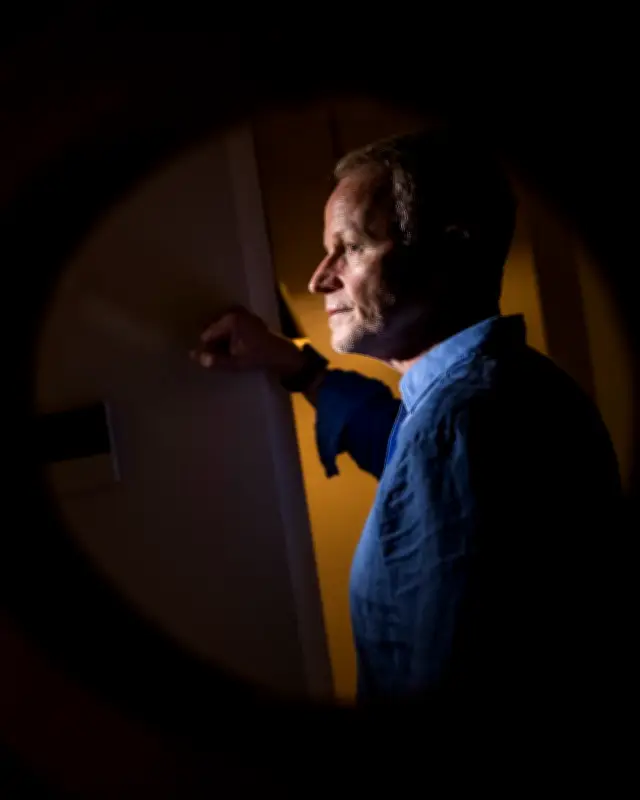
Gordon Thoms, Alexandra’s father, founded Alexandra’s Mission to prevent cardiac deaths. He said, “It’s about leadership, and recognising sudden cardiac arrest for what it is – a major, preventable public health emergency.” After Alexandra’s death, genetic testing revealed her brother Charlie, 24, has the same cardiomyopathy. He now has an implanted defibrillator and takes daily medication.
Richard Bagnall, head of cardiovascular research at the Centenary Institute, says targeted postmortem genetic testing can identify at-risk family members. “If you find a variant that caused the death, you can answer: why did this happen and how can we prevent it from happening again?” No Australian state mandates such testing.
Charities like Heartbeat of Football push for defibrillators at community sports grounds. Widespread AED availability could raise survival rates from 10% to 20%, according to cardiologists. South Australia is the only state mandating AEDs in public buildings. Angelo Tilocca, a Heartbeat of Football board member, says every state should follow and every child should learn CPR.
Challenges in the System
Jodie Ingles, cardiac genetic counsellor at the Garvan Institute, describes the referral system for genetic testing as “a total mess.” Wait times are long, and access is unequal. Elizabeth Paratz, cardiologist at St Vincent’s Institute, notes that while mass screening in countries like Japan and Italy exists, Australian experts prefer targeted screening due to costs and false positives.
For families, the grief is compounded by uncertainty. Gordon Thoms recalled finding Alexandra in her pyjamas, looking peaceful. “That’s a memory we will unfortunately have to live with for the rest of our lives.” He said his daughter lived fearlessly, “almost as if she knew tomorrow may never come.”