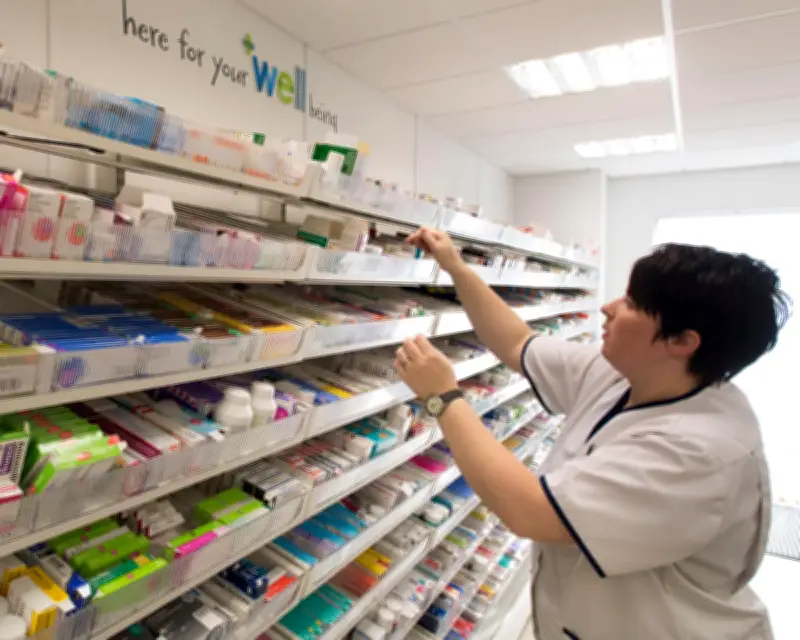
Pharmacists and GPs have warned that NHS patients are facing the worst drug shortages on record, with hundreds of medications in short supply. The shortages are affecting a wide range of drugs, including those for cancer, diabetes, and mental health conditions, leading to delays in treatment and increased risk to patient safety.
Scale of the Crisis
According to a survey by the Royal Pharmaceutical Society, over 90% of pharmacists reported experiencing drug shortages in the past year, with many saying the situation has worsened significantly. The survey found that some pharmacies are spending up to 10 hours a week trying to source alternative medications, diverting time from patient care.
The British Medical Association has also raised concerns, with GPs reporting that they are frequently unable to prescribe the most effective treatments for their patients. The shortages have been attributed to a combination of factors, including Brexit-related supply chain issues, increased global demand, and manufacturing problems.

Impact on Patients
Patients are feeling the impact directly, with some having to switch medications or go without. For example, cancer patients have faced delays in chemotherapy due to a shortage of key drugs, while those with diabetes have struggled to access insulin. Mental health patients have also been affected, with shortages of antidepressants and antipsychotics.
One patient, who wished to remain anonymous, said, "I've been on the same medication for years, and suddenly I can't get it. It's terrifying not knowing if I'll be able to manage my condition."
Calls for Government Action
Pharmacists and GPs are calling on the government to take immediate action to address the shortages. They have urged the Department of Health and Social Care to establish a national taskforce to monitor and manage drug supplies, and to invest in domestic manufacturing to reduce reliance on imports.
Dr. Phil Banfield, chair of the BMA's GP committee, said, "This is a national emergency. Patients are being put at risk because of a failure to ensure a stable supply of essential medicines. The government must act now."
The Department of Health and Social Care has acknowledged the issue, stating that it is working with the pharmaceutical industry to resolve supply problems. However, critics argue that more urgent action is needed to prevent further harm to patients.