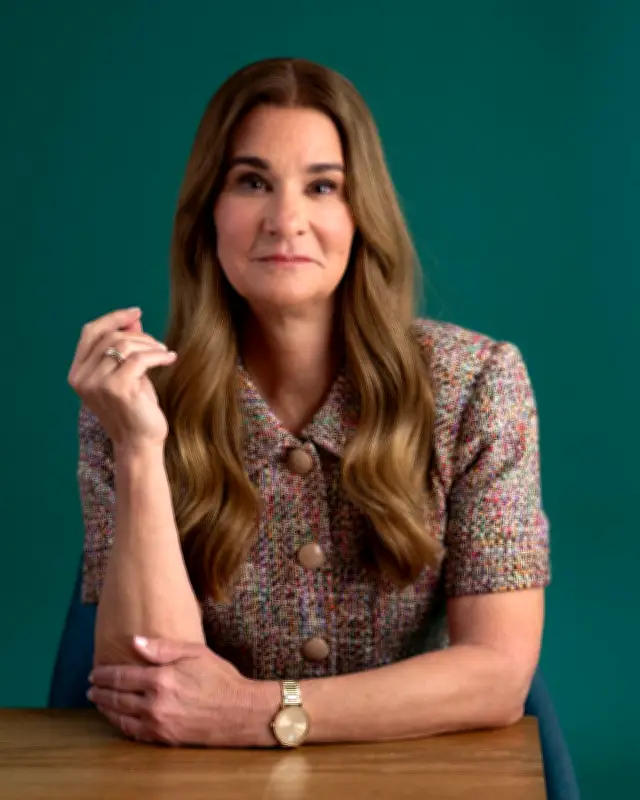
Melinda French Gates has spoken candidly about her regret over meeting convicted sex offender Jeffrey Epstein, while detailing her continued efforts to champion women's health around the world.
A Painful Lesson Learned
In a recent interview, French Gates described her encounters with Epstein as a profound mistake. She acknowledged that her judgment was clouded by his reputation as a financier and philanthropist, and she now understands the harm caused by associating with him.
“I regret every meeting I had with him,” she said. “I was naive, and I’ve learned from that.” The billionaire philanthropist emphasized that her foundation’s work should not be overshadowed by those missteps.

Fighting for Women's Health
French Gates has long been a vocal advocate for women’s health, particularly in low-income countries. Through the Bill & Melinda Gates Foundation, she has funded initiatives to reduce maternal mortality, improve access to contraception, and combat diseases like HIV and malaria that disproportionately affect women.
One of her key focuses is ensuring that women have control over their reproductive health. “When women can plan their families, they can plan their futures,” she said. The foundation has committed billions to family planning programs worldwide.
Addressing Systemic Inequalities
French Gates also highlighted the broader systemic issues that hinder women’s health, including gender inequality and lack of education. She called for more investment in women-led organizations and for governments to prioritize women’s health in policy-making.
“We need to listen to women and put their needs at the center,” she said. Her foundation’s data shows that every dollar spent on women’s health yields significant returns in economic productivity and community well-being.
Moving Forward
Despite the controversy surrounding Epstein, French Gates remains committed to her philanthropic mission. She has increased transparency within her foundation and continues to advocate for accountability in philanthropy.
“I want to use my voice and resources to make a difference,” she said. “Women’s health is non-negotiable, and I will keep fighting until every woman has access to the care she needs.”
Her interview serves as both a personal reflection and a call to action, urging others to learn from her mistakes and join the fight for gender equity in health.