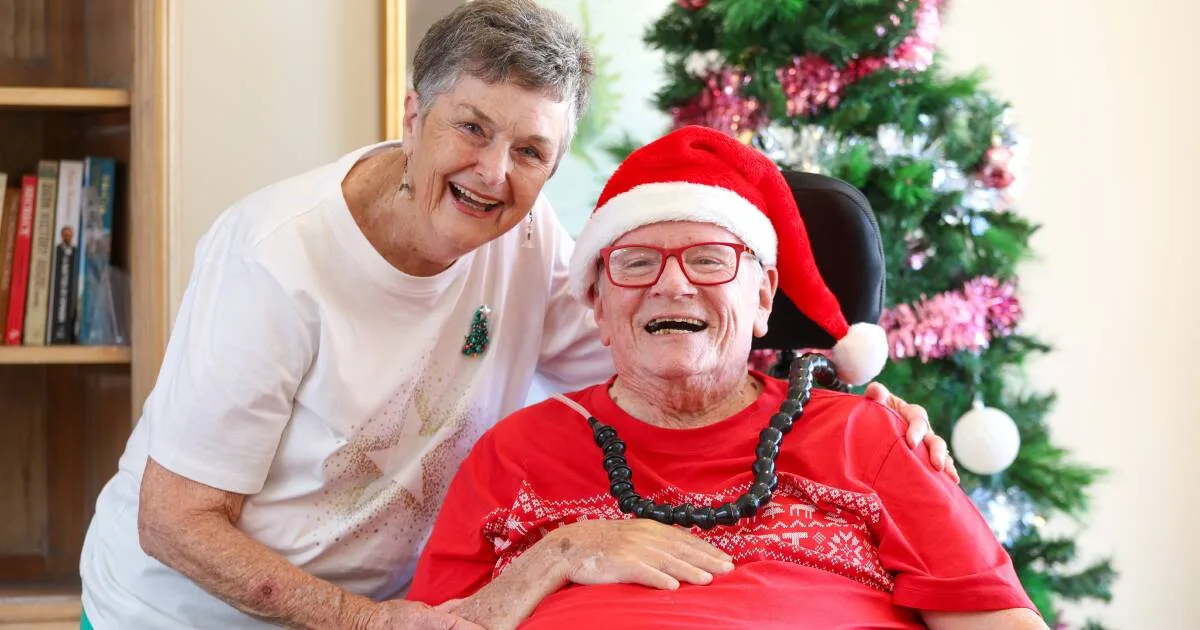
Christmas is meant to be a time of joy and togetherness, but for many elderly and isolated Australians, it can be the loneliest period of the year. Jenni Hutchins, chief executive of Warrigal, notes that loneliness often manifests quietly—in the long hours between visitors, an empty chair at the table, or the slow weeks after festivities end. She emphasizes that social isolation peaks during summer due to heat, disrupted routines, and thinning support networks as families travel.
Hutchins explains that older people frequently hesitate to reach out, fearing they may be a burden. However, small gestures can make a significant difference. A phone call, a short visit, an invitation to lunch, or a check-in on a hot day can brighten an elderly person's world. Sharing stories over tea or a gentle stroll can create lasting memories of inclusion.
Clinical psychologist Melissa Levi agrees that Christmas is an ideal time to reconnect with elderly neighbours and relatives. She highlights that in-person visits allow observation of subtle clues indicating a need for help, such as repeated stories, a cluttered home, expired food, weight loss, or changes in appearance and mood. Levi advises focusing on three factors: safety, stress, and stability.

Safety concerns include unsteadiness, bruises from falls, leaving the stove on, or car damage. Stress may manifest as family arguments about the person's welfare. Stability issues arise when someone abandons cherished activities like bridge club or morning walks. Levi has created a free check-in guide with scripts for various scenarios, inspired by her family's experience with her grandfather's undiagnosed illness.