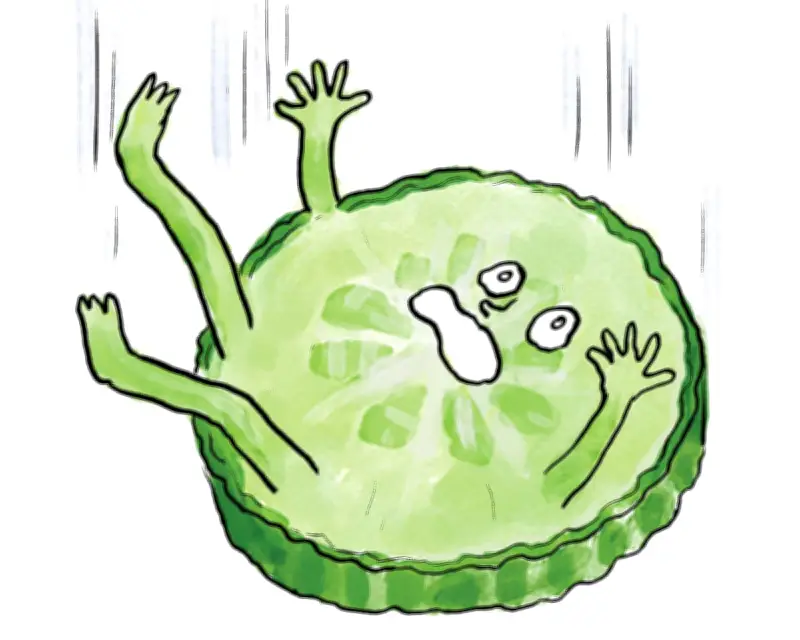
The five-second rule is a widely known adage that suggests food dropped on the floor is safe to eat if picked up within five seconds. But is there any truth to this claim? We spoke to food safety experts to find out.
The Origin of the Rule
The rule likely originated as a kitchen convenience, but it has no scientific basis. Dr. Sarah Jenkins, a microbiologist at the University of Sydney, explains that bacteria can transfer to food almost instantly upon contact with a contaminated surface.
What the Research Says
Studies have shown that moisture, surface type, and contact time all affect bacterial transfer. A 2016 study found that bacteria can transfer to food in less than one second, especially on tile or wood floors. Carpet, however, showed lower transfer rates.

- Tile: High transfer rate within seconds.
- Wood: Moderate transfer rate.
- Carpet: Lower transfer rate, but still risky.
Dr. Jenkins emphasizes that the type of food matters. Wet foods like watermelon pick up bacteria more readily than dry foods like a cookie.
Expert Recommendations
Food safety authorities advise against eating food that has touched the floor, regardless of time. The risk of foodborne illness, while low for healthy individuals, is not worth taking. Vulnerable populations, such as pregnant women, the elderly, and immunocompromised individuals, should be especially cautious.
When in Doubt, Throw It Out
Ultimately, the five-second rule is a myth. If you drop food, it's safest to discard it. While the risk may be minimal for some, it's better to err on the side of caution. So next time you drop a piece of toast, remember: bacteria don't wait.
For more food safety tips, consult your local health department or visit the Food Safety Information Council website.