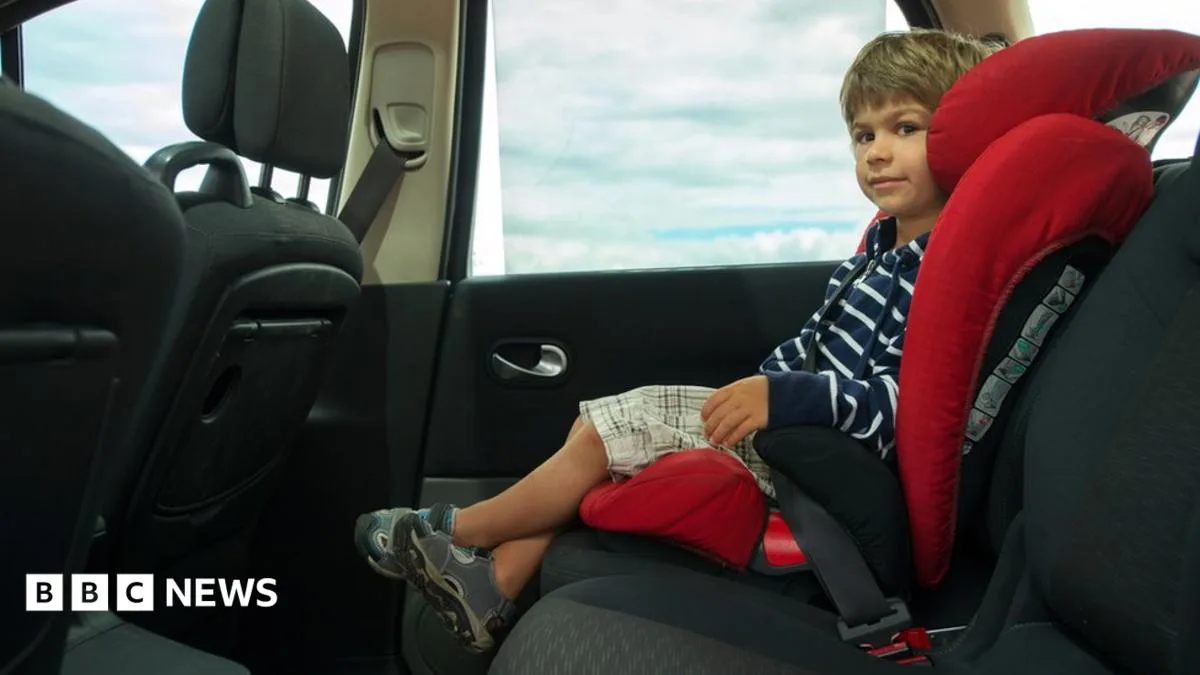
New booster seat regulations set to take effect on March 1 could leave parents confused and at risk of fines, experts warn. From that date, manufacturers will be prohibited from selling backless booster seats for smaller children. However, parents who already own such seats can continue using them for children weighing more than 15 kilograms.
The updated rules require children using new seats to weigh over 22 kilograms and be taller than 125 centimeters. The changes follow a United Nations warning that backless booster seats are unsafe for smaller children because they lack protection in side-on collisions.
Data from price comparison website Confused.com indicates only 13% of parents understand the new regulations. Freedom of Information requests revealed 4,600 incidents in 2015 where UK drivers failed to comply with child seatbelt laws, with over 19,000 offenses recorded between 2013 and 2015.

The changes apply only to new backless seats, not those already on the market meeting current safety standards. Parents can continue using their current models for children over 15 kilograms without needing to purchase a new one. Manufacturers must ensure new seats meet revised safety standards and are correctly labeled.
Experts emphasize that car seat selection should be based on a child's height and weight, not age. Height-based seats, known as i-Size, must be rear-facing until the child is over 15 months old. Weight-based categories range from lie-flat carriers for newborns to high-backed booster seats for children up to 36 kilograms.