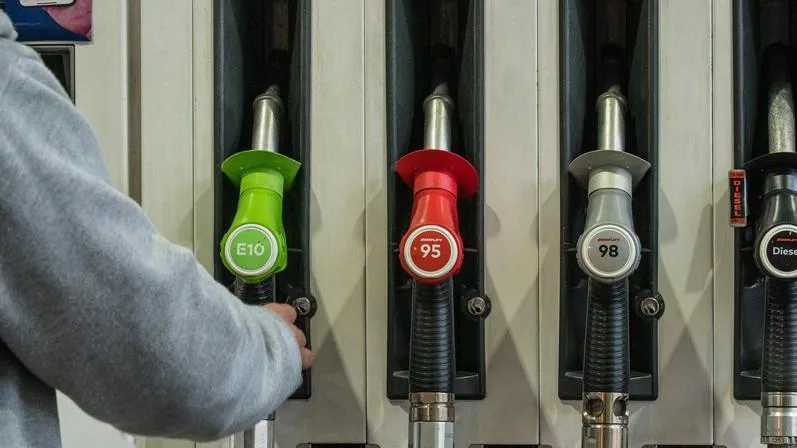
Drivers across Australia are flocking to service stations to fill up their tanks amid fears that the Middle East conflict could lead to fuel shortages and price hikes. In Melbourne, queues stretched bumper to bumper at stations like Malvern, with some motorists bringing jerry cans for extra supply. At Costco in Ardeer, demand was so high that they ran out of 91 and 98 octane fuel overnight after drivers took advantage of the $1.56 per litre price.
The anxiety is fueled by Australia's low petrol reserves. The International Energy Agency recommends a 90-day supply, but Australia currently has only 36 days of petrol and 34 days of diesel. Iran's blockade of the Strait of Hormuz, which handles 20% of the world's oil, threatens Australia's ability to refill its reserves.
Experts warn that any price impact from the conflict will take time to reach the bowser. NRMA's Peter Khoury said, “What is happening overseas takes about seven to 10 days to flow onto the Australian market. We should not see sudden increases in prices at the bowser; it will take time to flow on. If service stations do start increasing their prices dramatically that is unacceptable.”

The ACCC is monitoring fuel prices to prevent unfair hikes. Meanwhile, global oil prices have risen only about 10% so far. The national average for unleaded petrol is $1.83 per litre, with the Northern Territory the most expensive at $2.25 and Western Australia the cheapest at $1.66. Some retailers in Sydney, Melbourne, and Brisbane are selling E10 for over $2 a litre, with diesel even higher in some areas.
Wholesale prices have increased by four cents per litre for petrol and three cents for diesel, likely to be passed on to motorists. There is speculation that prices could peak at $2.40 a litre in some states. However, AMP chief economist Shane Oliver noted, “So far we haven’t seen the horror scenarios where it surges through $100 a barrel yet, but that may still happen.”