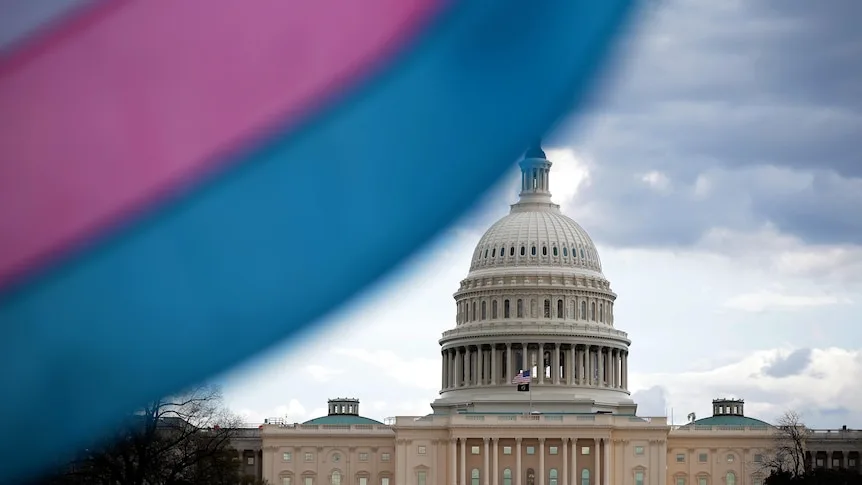
Recent moves in Australia to restrict puberty blockers for transgender teenagers align with similar actions in the United States and the United Kingdom, but an expert argues that scientific evidence supports their use. In late January, Queensland paused prescribing puberty blockers to new transgender teenage patients pending a review. This followed an open letter to Prime Minister Anthony Albanese calling for a nationwide pause, and protests in 18 cities in February. In late March, Queensland appointed former Victorian chief psychiatrist Ruth Vine to lead a review of evidence on hormone treatments and puberty blockers for transgender teenagers.
These developments mirror international trends. In March 2024, the UK's National Health Service stopped routine prescriptions of puberty blockers for under-18s, after a pause in 2020. In January 2025, US President Donald Trump signed an executive order attempting to ban gender-affirming healthcare, including puberty blockers, for transgender teenagers under 19. Over 25 US states have already banned such care.
Despite the controversy, evidence indicates puberty blockers are reversible and beneficial. They delay the development of sex characteristics associated with the gender assigned at birth, such as breast development or voice deepening. In Australia, they are only prescribed after a psychiatric diagnosis of gender dysphoria, counseling, fertility preservation, guardian consent, and a team agreement that it is in the patient's best interests.

Puberty blockers have been used since the 1980s for children with precocious puberty. For transgender teenagers, they prevent the need for costly later procedures: over 90% of trans men seek or have had top surgery (up to $18,000), and 90% of trans women seek or have had facial hair removal (over $100 per hour, often hundreds of hours). Most transgender teenagers who do not receive puberty blockers will become transgender adults likely to pursue these procedures.
Detransition rates are low. A study of 548 teenagers referred to Western Australia's Gender Diversity Service between 2015 and 2020 found only 29 (5.3%) detransitioned, with 27 doing so early in assessment. Of 163 prescribed puberty blockers, only two detransitioned. The expert concludes that the scientific consensus supports puberty blockers as safe and effective for transgender youth.