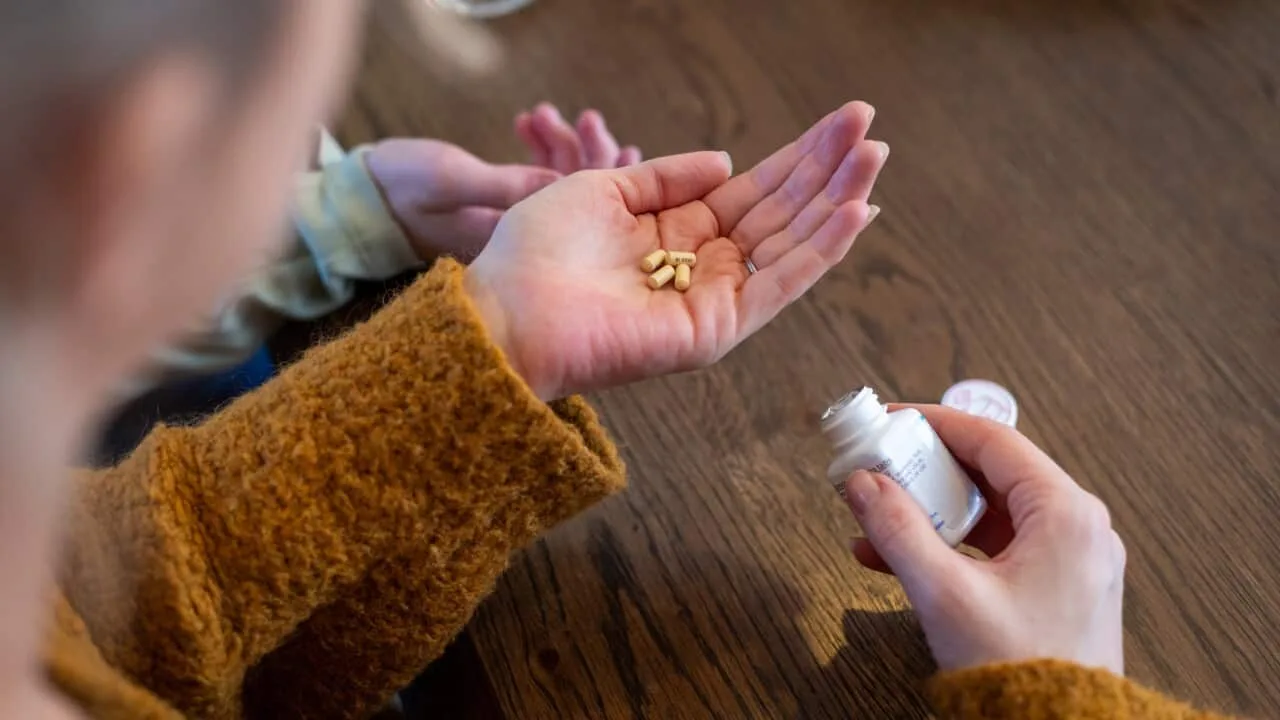
New research from the University of Sydney reveals a dramatic increase in ADHD medication poisonings in Australia, with 3,242 cases recorded in 2023 alone. Over the past decade, more than 8,000 people sought hospital treatment for such poisonings, according to national data from the NSW Poisons Information Centre.
Experts warn of serious side effects including respiratory issues, hypotension, and dizziness. Children under 15 account for 72% of accidental poisonings, often due to miscommunication between parents or curiosity about siblings' medication. Clonidine and methylphenidate (Ritalin) were each implicated in 35% of poisoning reports.
The rise in poisonings coincides with a doubling of ADHD diagnoses between 2013 and 2020. During 2023–24, nearly 600,000 patients received over 4.6 million prescriptions for ADHD medications, with 87% being psychostimulants. Clonidine poisonings are disproportionately high, with just one double dose potentially hospitalizing a child.

Dr. Greg Kyle, a clinical pharmacist at Metro South Health, notes that poisoning differs from an overdose, as individual reactions vary. He emphasizes that dosing is complex and not simply based on weight. Experts recommend storing medications securely and contacting poison control at 13 11 26 if adverse effects occur.