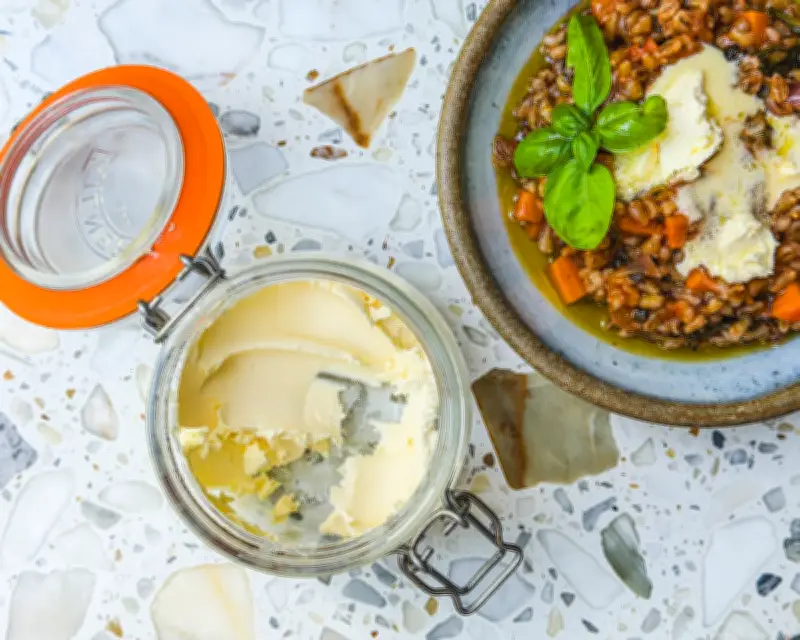
Mascarpone, the luscious Italian cream cheese, is a staple in tiramisu and many desserts, but it can be expensive and often comes in packaging that contributes to waste. A simple solution: make your own from excess cream that might otherwise be discarded. This zero-waste approach not only saves money but also reduces kitchen waste.
The Simple Science Behind Homemade Mascarpone
Mascarpone is essentially cream that has been thickened by acidification. By adding a small amount of lemon juice or vinegar to heavy cream and gently heating it, the cream naturally thickens into a spreadable cheese. The process takes only about 30 minutes, plus chilling time.
According to chef and food waste advocate Anne-Marie Bonneau, author of The Zero-Waste Chef, “Making mascarpone at home is one of the easiest ways to use up leftover cream. It’s a perfect example of turning something that might go to waste into a delicious, versatile ingredient.” Bonneau emphasizes that this technique is particularly useful for home cooks who often have half-used cartons of cream after a recipe.

Step-by-Step Recipe
To make approximately 1 cup of mascarpone, you will need:
- 2 cups heavy cream (preferably not ultra-pasteurized)
- 1 tablespoon lemon juice or white vinegar
- A pinch of salt (optional)
Instructions:
- Pour the cream into a heavy-bottomed saucepan and heat over medium-low heat, stirring occasionally, until it reaches 190°F (88°C). Use a kitchen thermometer for accuracy.
- Once at temperature, stir in the lemon juice or vinegar. The cream will begin to curdle and thicken. Continue stirring gently for about 2 minutes.
- Remove from heat and let cool for 10 minutes.
- Line a fine-mesh strainer with a cheesecloth or a clean kitchen towel and set it over a bowl. Pour the mixture into the strainer.
- Let it drain in the refrigerator for at least 4 hours or overnight. The longer it drains, the thicker the mascarpone.
- Transfer to an airtight container. The mascarpone will keep in the fridge for up to one week.
Zero-Waste Benefits Beyond the Kitchen
This recipe is part of a broader zero-waste movement that aims to reduce the 1.3 billion tons of food wasted globally each year. According to the United Nations Environment Programme, food waste accounts for approximately 8-10% of global greenhouse gas emissions. By using up leftover cream, home cooks can contribute to reducing that footprint.
Bonneau notes, “Every bit of food we save from the bin makes a difference. Homemade mascarpone is just one small step, but it’s a delicious one.” The process also avoids the plastic tubs and foil seals that come with store-bought versions, cutting down on packaging waste.
Versatile Uses for Homemade Mascarpone
Beyond tiramisu, homemade mascarpone can be used in a variety of dishes. Spread it on toast with jam, swirl it into pasta sauces for creaminess, or dollop it on fresh fruit. It also works well in savory dishes, such as risotto or as a base for creamy salad dressings.
The texture of homemade mascarpone is slightly softer than commercial versions, but it has a fresher, cleaner taste. For a thicker consistency, use a higher-fat cream or drain it longer.
Tips for Success
Use cream that is not ultra-pasteurized if possible, as it thickens better. If you only have ultra-pasteurized cream, you may need to add a bit more acid or let it drain longer. Avoid boiling the cream, as that can cause it to separate too much. A gentle heat is key.
This technique is also adaptable for vegan versions using coconut cream, though the flavor and texture will differ. For a dairy-free option, follow the same method with full-fat coconut cream and lemon juice.
By turning excess cream into mascarpone, home cooks can enjoy a gourmet ingredient while embracing a sustainable, zero-waste lifestyle. It’s a small change that yields big rewards for both the palate and the planet.