Summer is in full swing, and for gardeners and food lovers alike, it's the peak season for planting and harvesting a bounty of fresh produce. From juicy tomatoes to fragrant basil, here's your guide to making the most of the summer months in the garden and kitchen.
What to Plant Now
According to gardening experts, now is the ideal time to plant warm-season crops that thrive in the heat. Tomatoes, peppers, eggplants, and cucumbers are top choices for summer planting. Basil, coriander, and mint also flourish when sown directly into the ground or pots. For those with limited space, compact varieties like cherry tomatoes and bush beans are perfect for containers.
In many regions, the soil has warmed sufficiently to support rapid growth. Gardeners are advised to water deeply in the early morning or evening to reduce evaporation and keep plants hydrated during heatwaves. Adding a layer of mulch around plants can help retain moisture and suppress weeds.

What to Harvest
Early summer brings a harvest of leafy greens like lettuce, spinach, and kale, which may bolt in the heat if not picked promptly. Root vegetables such as radishes, carrots, and beets are also ready for pulling. For fruit lovers, strawberries are at their sweetest, while raspberries and blueberries begin to ripen.
Zucchini and summer squash are prolific producers; check plants daily to harvest when fruits are 15-20 cm long for the best flavor and texture. Corn is ready when the silks turn brown and the kernels are plump and milky when pierced. Peas and beans should be picked regularly to encourage continued production.
Seasonal Eating Tips
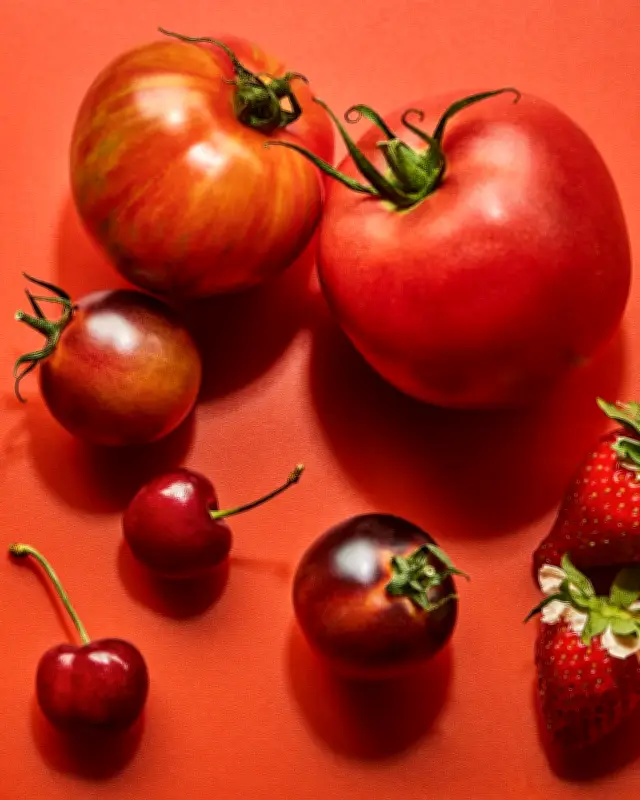
Chefs recommend using summer produce in simple dishes that highlight natural flavors. A classic caprese salad with ripe tomatoes, fresh mozzarella, and basil is a staple. Grilled vegetables like zucchini, peppers, and eggplant pair well with a drizzle of olive oil and herbs.
For preserving the harvest, consider making tomato sauce, pesto, or pickled vegetables. Freezing excess produce is also an option; blanch vegetables like beans and corn before freezing to maintain quality. According to food writer Jane Smith, "Summer is the time to enjoy the freshest ingredients straight from the garden. Nothing beats the taste of a sun-warmed tomato."
Pest and Disease Management
Warm weather can bring pests like aphids, whiteflies, and tomato hornworms. Encourage beneficial insects by planting flowers such as marigolds and nasturtiums nearby. Neem oil or insecticidal soap can be used for severe infestations. Regularly inspect plants for signs of disease, such as powdery mildew on squash leaves, and remove affected foliage promptly.
According to horticulturist Dr. Alan Green, "Prevention is key. Proper spacing for air circulation and avoiding overhead watering can reduce fungal diseases. Rotating crops each year also helps maintain soil health."
Looking Ahead
As summer progresses, start planning for autumn crops. Sow seeds for broccoli, cauliflower, and Brussels sprouts in late summer for a fall harvest. Keep up with weeding and watering to ensure a continuous supply of fresh produce. With a little care, your garden can provide delicious meals all season long.