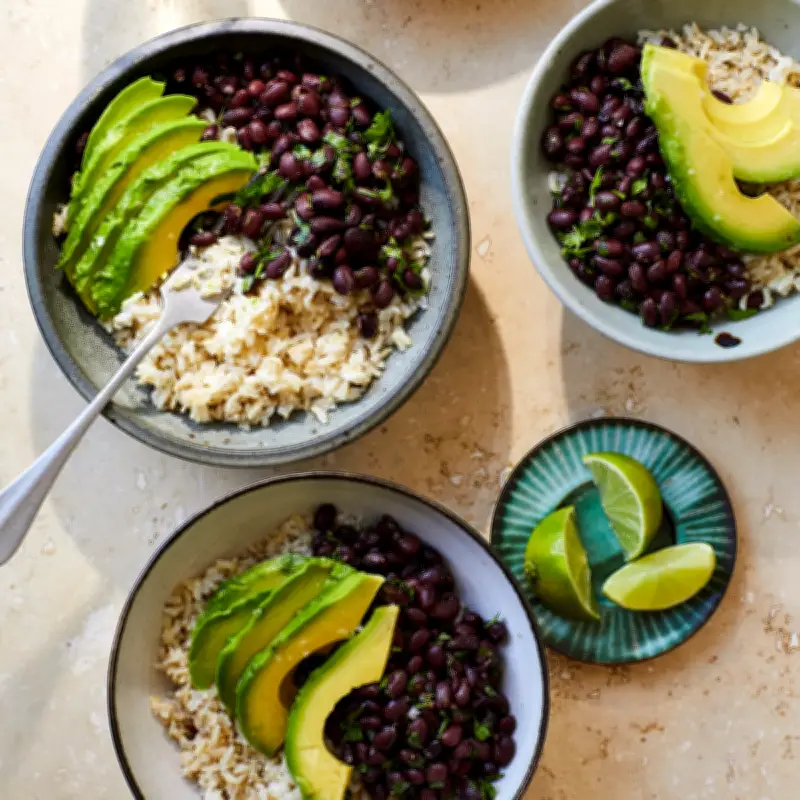
Cooking beans from scratch may seem daunting, but with a few simple techniques, anyone can master this nutritious and versatile ingredient. This guide covers everything from selecting and soaking beans to cooking and seasoning them for delicious results.
Choosing and Storing Beans
Dried beans are available in many varieties, including black beans, chickpeas, kidney beans, and lentils. When buying, look for beans that are uniform in size and color, with no cracks or discoloration. Store them in an airtight container in a cool, dark place for up to a year.
Soaking Beans: Why and How
Soaking dried beans before cooking reduces cooking time and helps remove some of the complex sugars that can cause digestive discomfort. There are two main methods: overnight soaking and quick soaking. For overnight soaking, rinse the beans and cover them with three times their volume of water, then let them sit for 8-12 hours. For quick soaking, bring the beans and water to a boil, cook for 2 minutes, then remove from heat and let them sit for 1 hour. Discard the soaking water and rinse the beans before cooking.

Cooking Beans: Stovetop, Pressure Cooker, and Slow Cooker
After soaking, drain and rinse the beans. Place them in a large pot and cover with fresh water by about 2 inches. Bring to a boil, then reduce to a simmer. Cooking times vary by bean type: black beans take 1-2 hours, chickpeas 2-3 hours, and kidney beans 1-2 hours. Avoid adding salt or acidic ingredients like tomatoes until the beans are tender, as they can prevent softening. For a pressure cooker, cooking times are significantly shorter: black beans take about 25 minutes, and chickpeas about 35 minutes at high pressure. A slow cooker can also be used, cooking beans on low for 6-8 hours.
Flavoring and Seasoning
To enhance the flavor of beans, add aromatics such as garlic, onion, bay leaves, or herbs to the cooking water. After cooking, season with salt, pepper, and spices like cumin or paprika. Beans absorb flavors well, so consider adding a ham hock or smoked turkey for a savory depth. According to chef and cookbook author Sarah Copeland, “Beans are a blank canvas; they take on the flavors of whatever you cook them with.”
Common Mistakes to Avoid
One common mistake is not soaking beans long enough, leading to uneven cooking. Another is adding salt too early, which can toughen the skins. Also, avoid cooking beans with acidic ingredients until they are fully tender. Finally, be sure to cook beans thoroughly; undercooked beans, especially kidney beans, can cause food poisoning due to lectins.
Storing Cooked Beans
Cooked beans can be stored in the refrigerator for up to 5 days or frozen for up to 6 months. To freeze, portion them into airtight containers or freezer bags, leaving some headroom for expansion. They are great for meal prep and can be added to soups, salads, or dips.