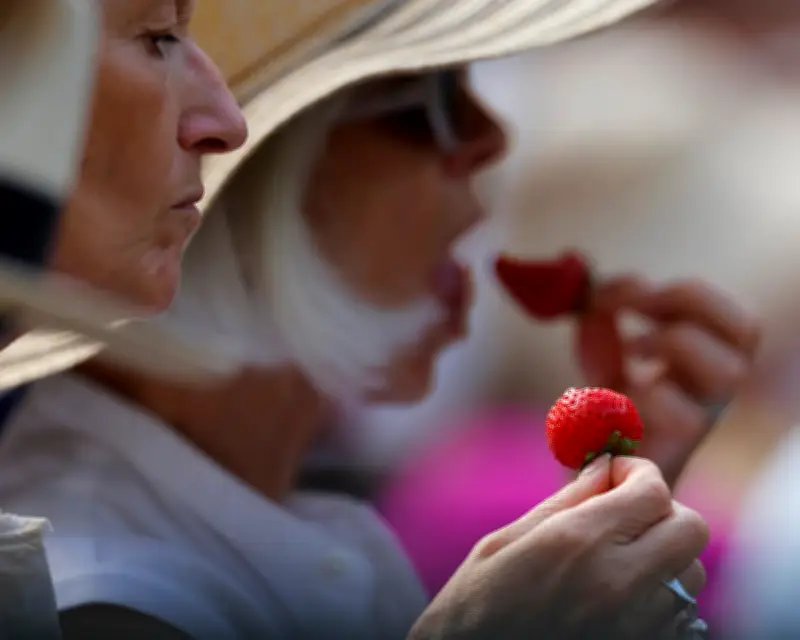
Wimbledon's insistence on perfect strawberries for its famous cream tea has come under fire from critics who argue the tournament's obsession with aesthetics ignores pressing environmental and labor issues. The All England Club requires strawberries to be of a specific size, shape, and color, rejecting any blemished or irregular fruit. This demand for perfection has significant implications for growers, who must discard up to 30% of their crop to meet these standards.
The Cost of Perfection
According to a report by the Soil Association, the rigorous grading process results in substantial food waste, as perfectly edible strawberries are rejected for minor imperfections. This not only impacts the environment through wasted resources but also puts financial strain on farmers. "The pressure to produce flawless fruit is immense, and it often means using more pesticides and fertilizers to achieve that look," said a spokesperson for the organization.
Labor and Environmental Concerns
The quest for perfect strawberries also raises questions about labor conditions. Many strawberry pickers in the UK are migrant workers, often facing low wages and precarious working conditions. The demand for high volumes of perfect fruit can exacerbate these issues. Additionally, the use of plastic punnets and transportation of strawberries from across the country contribute to the tournament's carbon footprint. Wimbledon has made some efforts to improve sustainability, such as using biodegradable packaging, but critics say more needs to be done.

Wimbledon's Response
An All England Club spokesperson defended the standards, stating, "The strawberries are a cherished tradition, and we aim to provide the best experience for our guests. We work closely with our suppliers to ensure high quality while minimizing waste." However, environmental activists argue that the tournament should embrace imperfect fruit to reduce waste and promote sustainable agriculture. "Wimbledon has a platform to lead by example, but instead it perpetuates unrealistic beauty standards for food," said a campaigner from Feedback, a food waste charity.
Looking Ahead
As climate change threatens strawberry production, with warmer winters and unpredictable weather, the pressure on growers may intensify. Some experts suggest that Wimbledon could adapt its criteria to allow for more variety, thereby supporting more resilient farming practices. The debate highlights a broader issue in the food industry: the cost of perfection in a world facing environmental and social challenges.