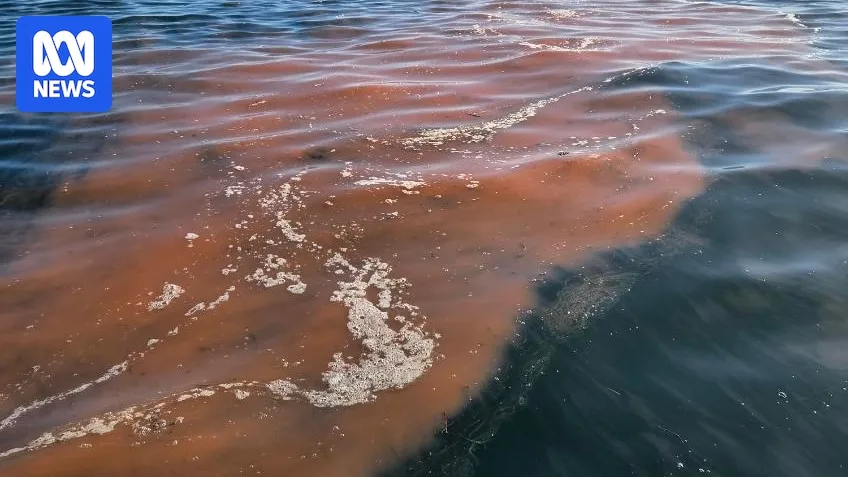
An ecologist says bioluminescent algae detected in South Australian waters could help combat the toxic algal bloom that has devastated marine life for months. The bloom, caused by Karenia mikimotoi, has led to mass fish kills and impacted coastal communities.
Fishers have reported seeing what is believed to be Noctiluca scintillans, also known as 'sea sparkle', which feeds on the toxic algae. Squid fisherman Nathan Eatts observed a 1.5-kilometer-long patch of the bioluminescent algae on Sunday morning and collected samples for analysis.
Estuarine ecologist Faith Coleman confirmed the samples contained Noctiluca scintillans, noting that it consumes other bacteria and algae, potentially including Karenia mikimotoi. 'Nature is assembling her soldiers on the ground,' she said, though she cautioned it was too early to declare an end to the bloom.

The Greens are calling for the federal government to declare the algal bloom a national disaster. Senator Sarah Hanson-Young has written to Prime Minister Anthony Albanese seeking an urgent response, comparing the event to floods and fires. Greens MLC Robert Simms plans to move for a state inquiry when parliament returns in late August.
Diver Mark Tozer described the popular shipwreck site The Claris as an underwater 'Chernobyl', with thick green algae reducing visibility to near zero. The bloom has severely affected local industries, with fishers reporting a drastic decline in catches since April.