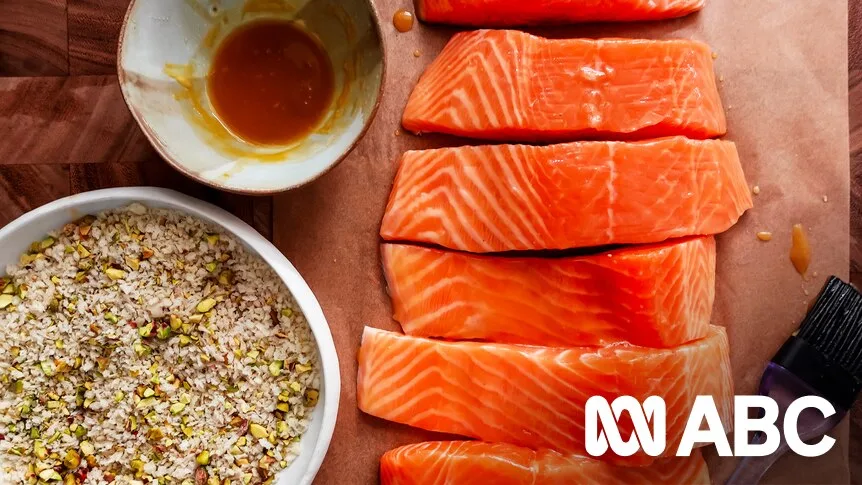
As Christmas approaches, many Australians are choosing seafood over traditional roast meats, with Tasmanian farmed salmon a popular option. However, the industry faces growing scrutiny over its environmental and animal welfare impacts. Strict biosecurity laws mean that any salmon consumed in Tasmania must come from local farms, making it a staple for festive tables in the state.
Chef and farmer Matthew Evans, who once advocated for the industry, now urges consumers to remove Tasmanian salmon from their menus. He highlights concerns about fish density in pens, waste accumulation, and the broader marine impact. Evans recalls diving in salmon pens over a decade ago, describing the experience as a turning point that revealed the hidden realities of fish farming.
The industry has suffered a blow to its reputation following a mass mortality event earlier this year. Between January and April, 15,000 tonnes of salmon died due to a bacterial disease, with dead fish washing up on beaches and filling skip bins. A review of the incident was released recently, adding to calls for reform.

Despite these issues, the salmon industry remains a major economic driver for Tasmania, worth over a billion dollars annually and employing thousands directly and indirectly. In the recent state election, a candidate opposing the industry won a seat, reflecting divided public opinion. Environmental concerns include deaths of seals, dolphins, and seabirds, alongside pollution from fish waste and chemical use.