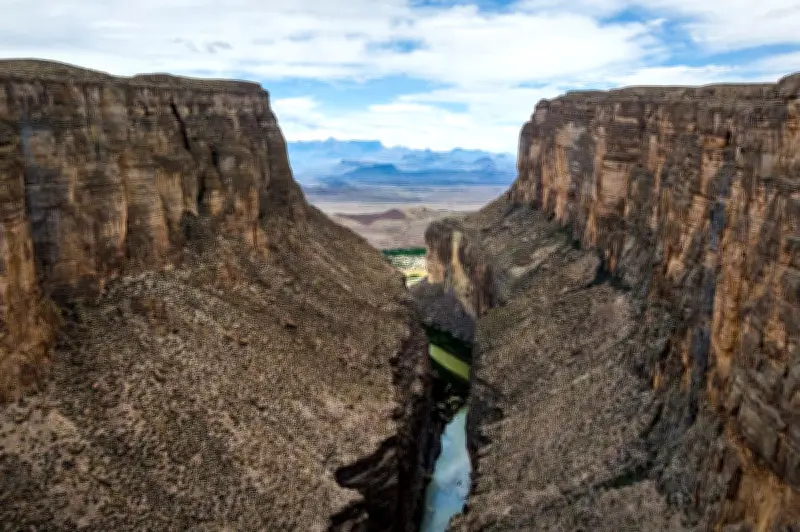
Construction of a new section of the U.S.-Mexico border wall in Texas is raising alarms among environmentalists and local residents, who warn that it will severely damage the fragile ecosystem of Big Bend National Park. The project, which began last month, involves building a 30-foot-high steel barrier through a remote area of the park, known for its diverse wildlife and stunning landscapes.
Environmental Impact
The wall cuts through critical habitats for species such as the ocelot, jaguarundi, and the endangered Big Bend gambusia fish. Conservation groups argue that the barrier will fragment natural corridors, disrupt migration patterns, and lead to a decline in biodiversity. “This wall is a disaster for the park’s wildlife,” said Dr. Maria Santos, a biologist at the University of Texas. “It will effectively cut off animal populations from essential resources and breeding grounds.”
Legal and Community Opposition
Several environmental organizations, including the Sierra Club and the Center for Biological Diversity, have filed lawsuits to halt construction, citing violations of the National Environmental Policy Act and the Endangered Species Act. Local communities in the nearby town of Terlingua have also voiced strong opposition, organizing protests and petitions. “We rely on tourism from the park, and this wall threatens our livelihoods,” said town mayor Carlos Hernandez. “It also scars the natural beauty that defines our region.”

Federal Justification
The Department of Homeland Security defends the project as necessary for national security, claiming it will reduce illegal immigration and drug trafficking. Officials point to a waiver granted by the Trump administration that bypasses certain environmental reviews. However, critics note that the area already has low levels of border crossings, questioning the need for such a disruptive structure.
Long-Term Consequences
Beyond immediate habitat destruction, the wall could exacerbate flooding and erosion in the Rio Grande corridor, affecting both wildlife and nearby communities. The park, which spans over 800,000 acres, is a UNESCO Biosphere Reserve, and its preservation is of international importance. “We are risking irreparable harm to a national treasure,” said park superintendent Sarah Jenkins. “Future generations will judge us harshly if we allow this to continue.”
As legal battles unfold, the wall’s construction presses on, with completion expected by late 2027. The outcome will set a precedent for border security projects in other sensitive natural areas across the country.