Australia is set to ban small single-use plastics, including the iconic soy sauce fish used in sushi packaging, from 2026. The move comes as part of broader efforts to reduce plastic waste, with an estimated 8 to 12 billion such containers used globally since the 1950s.
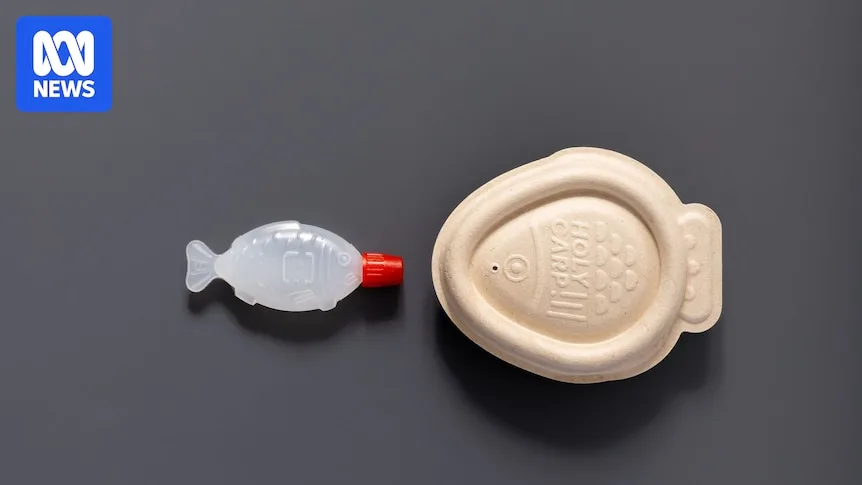
Designer Angus Ware, who noticed the fish-shaped plastic litter in Sydney, highlighted the irony of fish-shaped waste polluting waterways. The containers, known as shoyu-tai, were created by Japanese designer Teruo Watanabe in the 1950s during the post-war plastics boom.
Ware and business partner Jeffrey Simpson developed a reusable and compostable alternative called Holy Carp!, made from fibrous plant material that biodegrades quickly. The design aims to retain the appeal of the original fish while addressing environmental concerns.

Plastic sachets for ginger and wasabi pose an even larger problem, with global consumption reaching up to 1 trillion per year. Recycling is not viable due to residual soy sauce and the small size of the items, which makes collection and processing uneconomical.
The ban reflects growing pressure to eliminate single-use plastics, as microplastics from such waste accumulate in oceans and enter the food chain. Ware emphasizes the need to move away from materials that 'last centuries' for items used only seconds.