Shark bites in Australia are on the rise, prompting a renewed focus on safety measures such as shark-resistant wetsuits and personal deterrents. While these technologies offer promise, experts emphasize they are not a complete solution and must be paired with awareness and behavioral changes.
Growing Concern Over Shark Encounters
Data from the Taronga Conservation Society shows an upward trend in unprovoked shark bites along Australia’s coastline. In 2025, there were 18 incidents, up from 14 the previous year. While fatalities remain rare, the increase has sparked public concern and calls for better protective gear.
Shark-Resistant Wetsuits
One emerging technology is the shark-resistant wetsuit, made with ultra-high-molecular-weight polyethylene (UHMWPE) fibers. These suits are designed to be bite-resistant, reducing the severity of injuries. Several manufacturers have reported a surge in sales, particularly among surfers and divers in high-risk areas like Western Australia and Queensland.

However, researchers caution that no wetsuit can guarantee complete protection. “The suits can reduce puncture wounds, but they don’t prevent the force of a bite or the shock from an encounter,” says Dr. Jane Smith, a marine biologist at the University of Sydney.
Personal Deterrents
Electronic deterrents, which emit an electromagnetic field to repel sharks, are also gaining popularity. Brands like Shark Shield and Ocean Guardian have seen increased demand. Studies suggest these devices can reduce the risk of a bite by up to 60%, but their effectiveness varies depending on the species and conditions.
“Deterrents are a useful tool, but they are not a silver bullet,” warns Professor Alex Brown, a shark behavior expert. “They work best when used in combination with other strategies, such as avoiding swimming at dawn and dusk or near seal colonies.”
Government and Community Response
State governments are investing in public awareness campaigns and funding research into non-lethal shark mitigation methods. New South Wales has expanded its drone surveillance program, while Queensland is testing smart drumlines that alert authorities when a shark is caught.
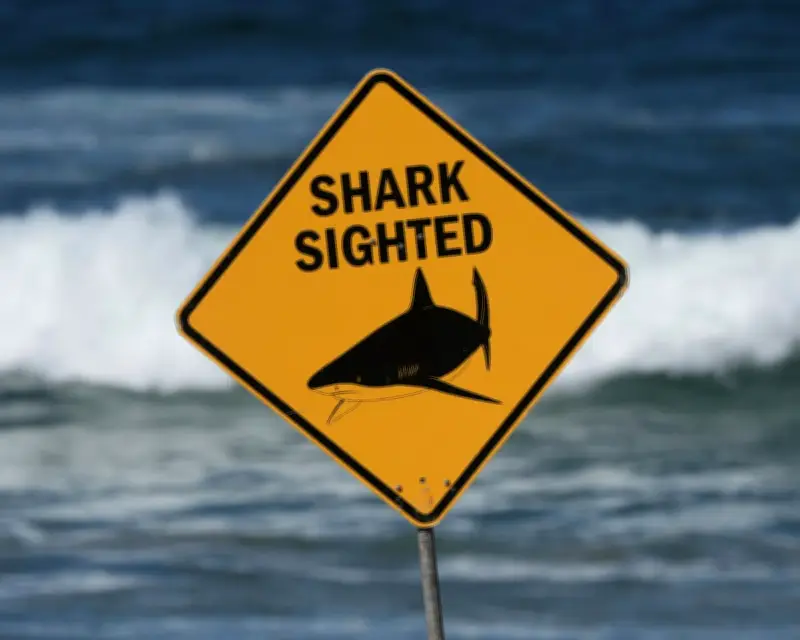
Community groups are also advocating for better signage and education. “We want people to enjoy the ocean safely,” says Sarah Lee, a spokesperson for Surf Life Saving Australia. “Technology can help, but ultimately, personal responsibility is key.”
Limitations and Future Directions
Despite the advances, experts stress that no single measure will eliminate shark bites. Climate change and shifting ocean currents may be altering shark behavior, leading to more frequent encounters. Ongoing research aims to improve deterrents and develop new materials for wetsuits, but the focus remains on coexistence.
Dr. Smith sums it up: “Sharks are a natural part of our marine environment. We need to respect that and use all available tools to minimize risk, but there is no such thing as a perfect solution.”