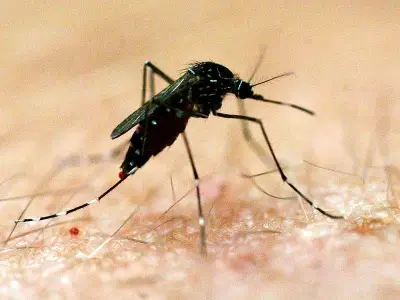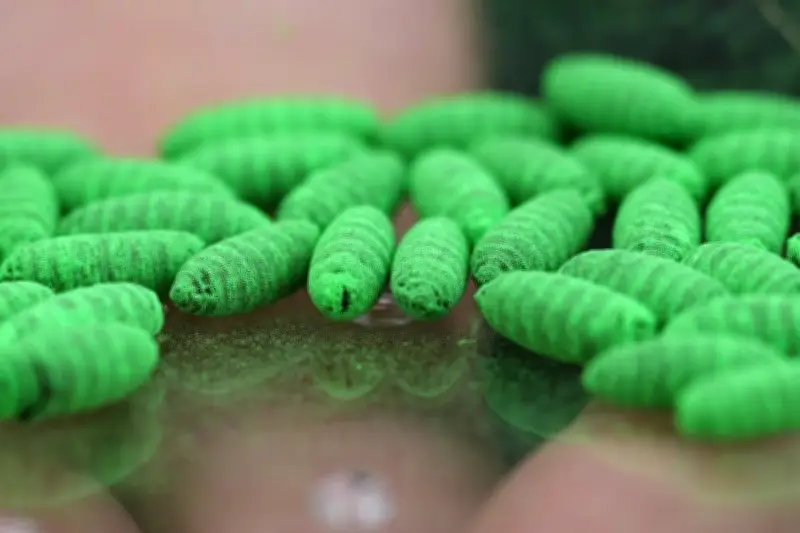
The United States is witnessing a concerning rise in screwworm cases as the outbreak continues to spread across multiple regions. Health officials report that the parasitic infestation, which primarily affects livestock, has expanded beyond initial containment zones, prompting urgent response measures.
Outbreak Expansion
Recent data indicates a significant uptick in confirmed screwworm cases, with new infections reported in states previously unaffected. The spread has been attributed to factors including animal movement and environmental conditions favorable to the pest's lifecycle. Livestock owners are being advised to enhance surveillance and report any suspicious wounds or infestations promptly.
Impact on Livestock Industry
The screwworm outbreak poses a serious threat to the livestock industry, causing economic losses due to animal deaths, treatment costs, and trade restrictions. Infested animals suffer from tissue damage and secondary infections, leading to reduced productivity and welfare concerns. Veterinarians are working tirelessly to treat affected herds and implement preventive measures.

Response and Control Efforts
Government agencies have mobilized resources to contain the outbreak, including the release of sterile screwworm flies to disrupt reproduction cycles. Quarantine zones have been established in affected areas, and movement restrictions are in place to prevent further spread. Public awareness campaigns are educating farmers and ranchers on identifying and reporting screwworm cases.
Public Health Considerations
While screwworm primarily affects animals, there is a low risk to humans. However, officials urge caution when handling infested animals and recommend proper hygiene practices. The outbreak highlights the need for robust surveillance systems and rapid response capabilities to address emerging pest threats.
As the situation evolves, authorities emphasize the importance of cooperation between federal, state, and local agencies, as well as the agricultural community, to mitigate the impact and prevent future outbreaks.