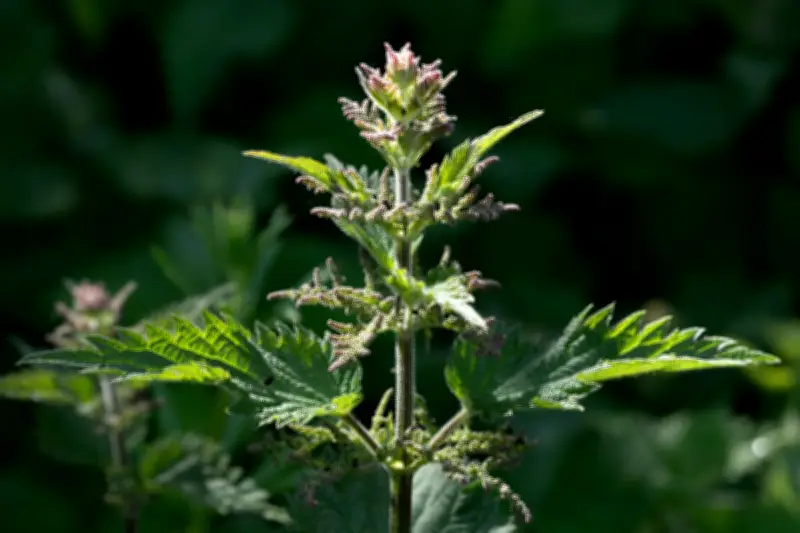
Stinging nettles are often the bane of gardeners and hikers alike, their painful sting causing instant regret. But perhaps it is time to reconsider our disdain for this prickly plant. Despite its reputation, the stinging nettle is a powerhouse of ecological and nutritional benefits that deserve our appreciation.
The Ecological Importance of Nettles
Nettles are a crucial component of many ecosystems. They serve as a host plant for several species of butterflies, including the red admiral and the small tortoiseshell. Their leaves provide food for caterpillars, while the dense thickets offer shelter for insects and small mammals. Birds such as finches and sparrows feed on nettle seeds, and the plant supports a diverse community of aphids, beetles, and other invertebrates.
Nettles as a Wildlife Haven
In the garden, a patch of nettles can become a mini nature reserve. By leaving a corner of your garden to grow wild with nettles, you can attract a variety of wildlife. Ladybirds, lacewings, and hoverflies are drawn to nettles, and these beneficial insects help control pests like aphids. Nettles also provide early pollen for bees emerging from hibernation.

Nutritional and Medicinal Benefits
Beyond their ecological role, nettles are highly nutritious. They are rich in vitamins A, C, and K, as well as minerals like iron, calcium, and magnesium. Nettle tea is a popular herbal remedy for allergies, arthritis, and urinary tract issues. Young nettle leaves can be cooked and used in soups, stews, and pesto, offering a spinach-like flavor.
How to Harvest and Use Nettles Safely
To avoid the sting, wear gloves when harvesting nettles. Pick only the top few leaves of young plants in spring. Cooking or drying neutralizes the sting, making them safe to eat. Nettle fertilizer is also excellent for plants, as it is rich in nitrogen.
Changing Perceptions
It is time to change our perception of the stinging nettle from a nuisance to a valuable ally. By understanding its role in the ecosystem and its benefits to us, we can learn to coexist with and even cultivate this remarkable plant. Next time you see a nettle, consider its contributions before reaching for the weed killer.