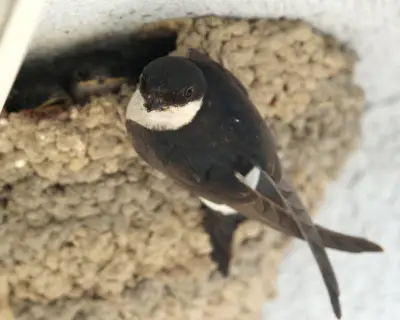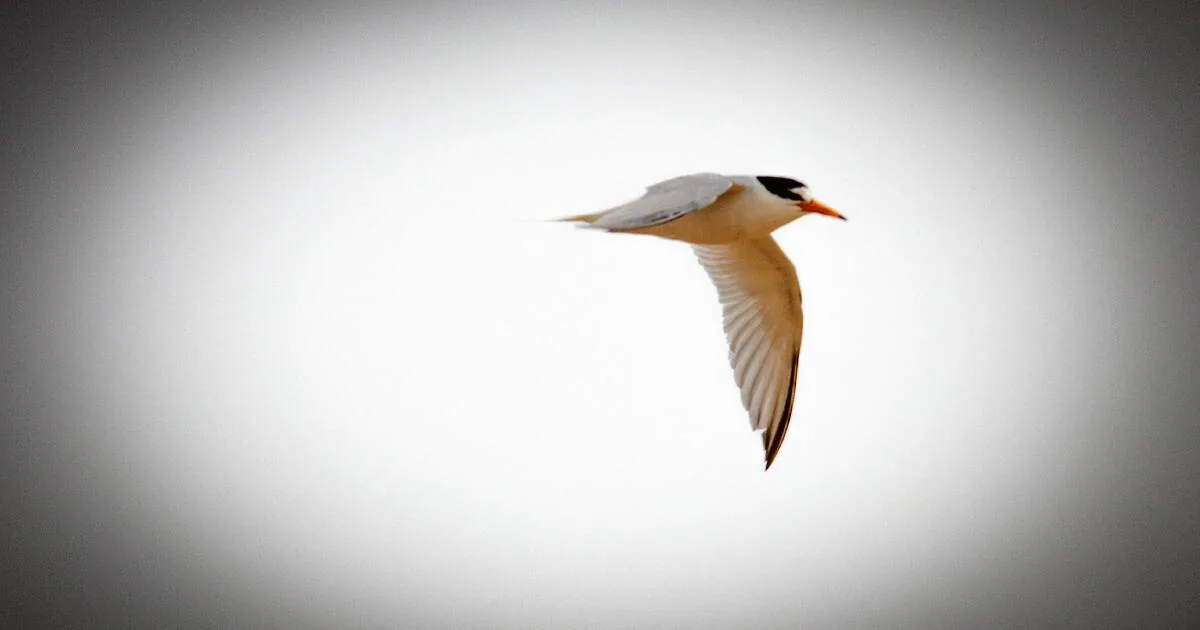
An endangered species of seabird, the little tern, has established a new nesting site at Blacksmiths Beach in Lake Macquarie for the first time, marking a significant milestone for conservation in the region. Little terns are small migratory seabirds identifiable by their black cap and bright yellow bill. They migrate thousands of kilometres from eastern and southeastern Asia to nest on Australian shores each spring.
Last nesting season, an estimated 50 to 60 adult little terns and 24 to 28 juveniles nested on Elizabeth Island off Marks Point. The emergence of a second local nesting site at Blacksmiths Beach has important conservation implications, according to Community Environment Network volunteer Meg Rice, who has monitored the Elizabeth Island colony for three years. 'There are fewer than 500 breeding pairs across NSW, so it is quite important when they've chosen a site around here that we can offer them as much protection as possible,' she said.
Lake Macquarie City Council is calling on the community to protect the nesting site, which is located in a high-use area of Blacksmiths Beach that experiences heavy 4WD traffic, dog walking, and recreational activity, especially during the Christmas holiday period. Council coordinator of natural assets Dominic Edmonds warned that these activities pose serious threats to the survival of eggs and chicks, which are laid in shallow scrapes on open sand. 'We ask beach users to respect fenced areas, keep dogs away and avoid driving 4WD vehicles near the site to give these rare birds the best chance of successfully raising their young,' he said.

The council has installed temporary fencing and signage to mark the nesting area, accessed via 4WD trails off Ocean Park Road south of the Belmont Wastewater Treatment Works plant. The fenced area will remain until late February or early March, when the breeding season ends. Avid birdwatchers are welcome but are asked to keep a healthy distance and not climb over the fencing. Visitors are also urged to refrain from setting off fireworks or flying drones near the nesting site.
For the past 25 years, the NSW National Parks and Wildlife Service has been involved in conserving and monitoring the species, noting that since 2019 the breeding population has more than doubled. Meg Rice expressed hope that the new site will be successful, as little terns tend to return to areas where they have bred successfully.