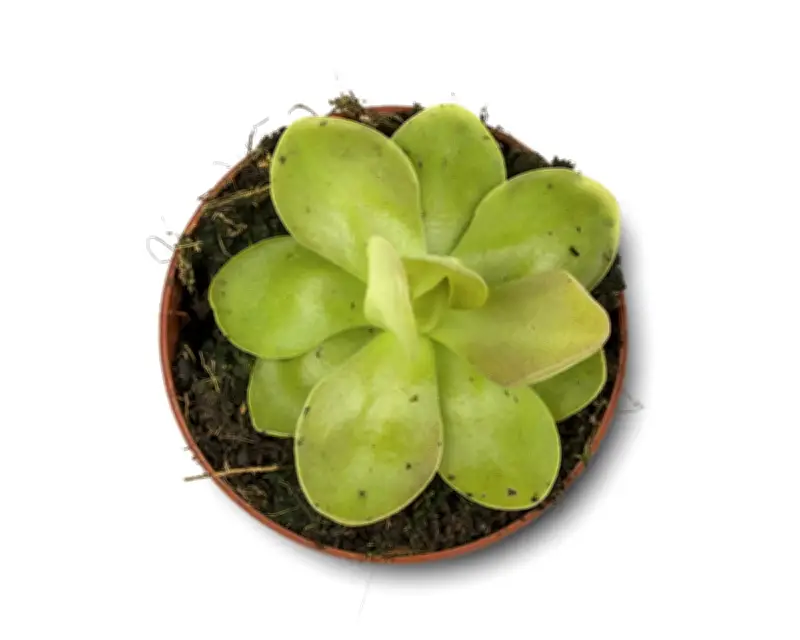
Butterworts, a lesser-known carnivorous plant, may be the answer to the frustrating problem of fungus gnats in houseplants. These small, sticky-leaved plants trap and digest the tiny flying insects, offering a natural and chemical-free solution for plant lovers.
What Are Butterworts?
Butterworts, belonging to the genus Pinguicula, are carnivorous plants native to North America, Europe, and Asia. They have succulent-like leaves covered in sticky, glandular hairs that trap small insects, including fungus gnats. Once trapped, the plant secretes digestive enzymes to absorb nutrients from its prey.
How Effective Are They Against Fungus Gnats?
According to a study published in the journal Carnivorous Plant Newsletter, butterworts can capture up to 80% of adult fungus gnats in a controlled environment. However, they are not a complete solution, as they do not target the larvae in the soil. Expert gardener and author Jane Perrone explains, “Butterworts are excellent at reducing adult gnat populations, but you still need to address the source—overwatered soil—to break the lifecycle.”

Integrating Butterworts into Your Houseplant Collection
Butterworts require bright, indirect light and consistently moist soil, which can be challenging for those prone to overwatering. They thrive in terrariums or alongside other moisture-loving plants. To use them for gnat control, place them near infested plants, ensuring they receive adequate humidity. “They work best as a preventive measure or in combination with sticky traps and proper watering habits,” says Perrone.
Limitations and Considerations
While butterworts can help, they are not a cure-all. They may not eliminate severe infestations and can be sensitive to fertilizers and tap water. Additionally, they go dormant in winter, reducing their effectiveness during that time. For best results, experts recommend using them as part of an integrated pest management approach, including allowing soil to dry between waterings and using yellow sticky traps.
Conclusion
Butterworts offer a fascinating and effective tool for managing fungus gnats, but they require specific care and should not be relied upon as the sole method of control. For houseplant enthusiasts looking to add a unique plant to their collection while tackling pests, butterworts are a worthy consideration.