The Biodiversity Heritage Library (BHL) is a vast online archive of historic texts on living and lost species, contributed by over 680 museums, universities, libraries, and scientific institutions worldwide. For 20 years, it has provided free access to more than 64 million pages, including illustrations, field diaries, and manuscripts. Users range from scientists studying climate change to artists seeking inspiration.
A Vital Resource Under Threat
David Iggulden, chair of the BHL executive committee and head of data and digital at Royal Botanic Gardens, Kew, describes the library as "absolutely essential" for scientists. However, its future is uncertain. The Smithsonian Institution, facing funding cuts, has stopped hosting administrative functions and supporting technical infrastructure. Iggulden estimates that a "tick over budget" of about $1 million per year is needed, but funding may only last until the end of 2027. "It would be devastating to lose it after coming so far," he says.
Treasures Within the Collection
The BHL contains remarkable items, such as the Circa instans, a medieval pharmacopeia from around 1190, digitized by the New York Botanical Garden. Another highlight is an 1892 illustrated catalogue by Henry Howell & Co, a Victorian walking stick manufacturer, which aids scientists studying wood use. Sir Joseph Hooker's illustrated Antarctic journal from 1841 features watercolour sketches of volcanoes. Nicole Kearney, who leads the Australian branch based at Museums Victoria, notes that handwritten field diaries have helped track river flooding and assess orchid species after wildfires.

Imaginary Creatures and Scientific History
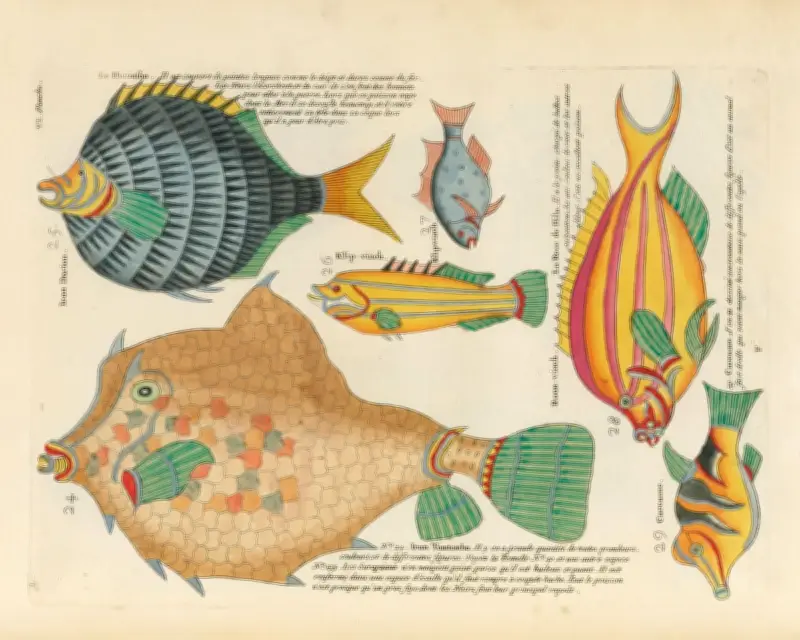
The BHL's Flickr album includes Louis Renard's 18th-century book Poissons, Ecrevisses et Crabes, which mixes real fish with fantastical creatures like a mermaid. Kearney explains that during the Age of Enlightenment, artists often interpreted descriptions from explorers, leading to imaginary species. The library also features John Gould's The Mammals of Australia (1863), with an illustration of the extinct Tasmanian tiger.
The Future: AI and Accessibility
Iggulden sees potential for AI to unlock vast taxonomic and ecological data within the BHL. Kearney envisions a mobile-friendly, multilingual platform with improved optical character recognition. However, without funding, even additions to the Flickr page have paused. "There's so much more we could be doing," she says. Readers can support the BHL via the Donate button at biodiversitylibrary.org.