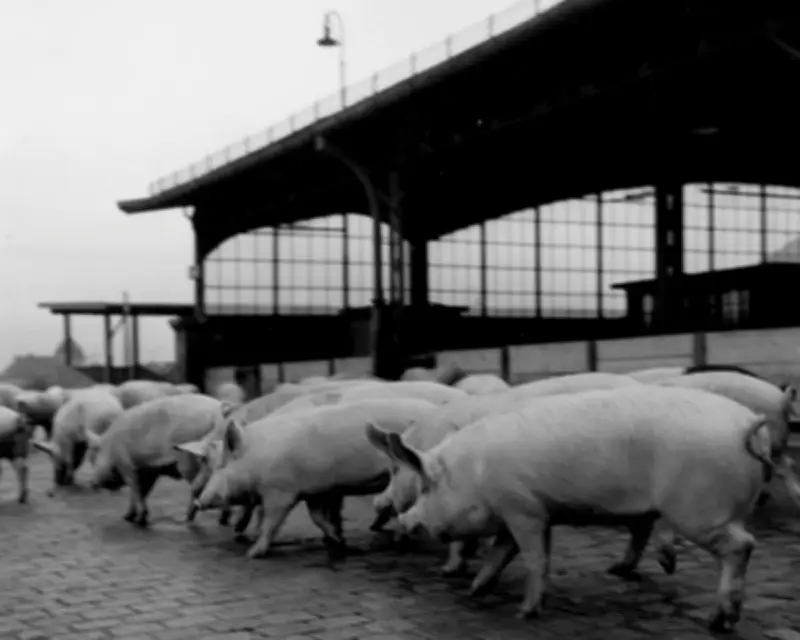
A recently unearthed country diary entry from 1951 paints a grim picture of animal welfare practices, describing livestock left to wither away outside inadequate slaughterhouses. The account, published in a historical archive, details how animals were forced to endure prolonged suffering due to insufficient facilities and neglect.
Historical Account Reveals Cruelty
The diary entry, written by a rural observer, notes that animals were often transported long distances and then left in open pens without proper shelter, food, or water. Many were described as emaciated and diseased, with some collapsing before even reaching the slaughterhouse doors. The author lamented that these conditions were not isolated incidents but widespread across the region.
According to the diary, the slaughterhouses themselves were poorly equipped, lacking basic amenities such as running water and proper drainage. This led to unsanitary conditions that exacerbated the animals' suffering. The entry calls for immediate government intervention to enforce stricter regulations.

Modern Implications
Animal welfare advocates have seized on the diary as evidence of long-standing issues in the industry. They argue that while some progress has been made, similar problems persist today. A spokesperson for the RSPCA stated, "This historical account is a stark reminder of how far we have come, but also how much work remains. We still see reports of overcrowded transport and inadequate slaughterhouse conditions."
The diary entry has sparked renewed calls for updated animal welfare laws, including mandatory CCTV monitoring in slaughterhouses and stricter penalties for non-compliance. A 2023 government report found that 15% of inspected slaughterhouses still had minor to major welfare violations.
Historical Context
The 1950s were a time of rapid agricultural intensification in many countries, with increasing demand for meat leading to pressure on slaughterhouses. The diary suggests that profit often took precedence over animal welfare, a concern that remains relevant today. The author noted that farmers were often reluctant to report problems for fear of economic repercussions.