The clean beauty movement, promising products free from 'toxic' and 'nasty' chemicals, is booming in the UK. Market research firm Mintel reports that 92% of UK women use a facial cleanser, 66% a day cream, and 48% a night cream. The UK beauty industry was worth £1.15 billion last year and is expected to grow by 15% in the next five years.
However, the term 'clean' remains vague. Sarah Meadows, head buyer at Space NK, notes that it can encompass sustainability, veganism, conscious living, or being 'free-from' certain ingredients, causing confusion for customers. Some brands focus on natural ingredients, while others, like Drunk Elephant, warn of a 'suspicious six' ingredients they claim cause skin issues.
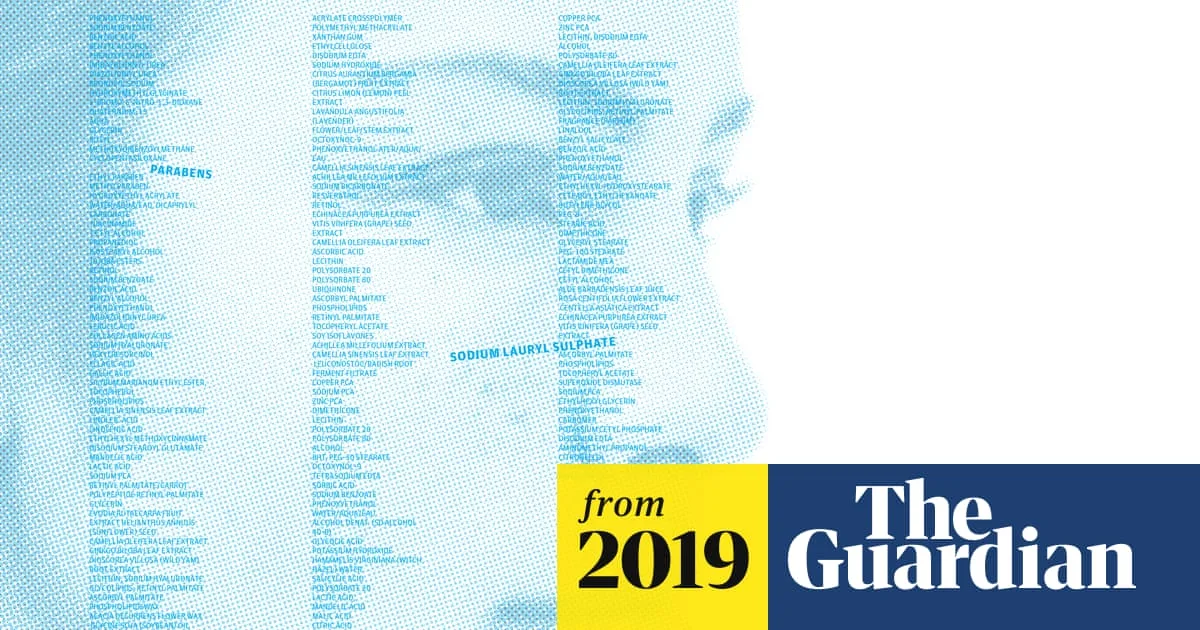
Two ingredients widely avoided in clean beauty are parabens and sodium lauryl sulphate (SLS). Parabens are preservatives, and SLS is a surfactant that creates foam. Sarah Willson of Holland & Barrett says these were removed because they can irritate skin, especially since they are used in many products. However, dermatologists like Dr. Anjali Mahto argue that irritation depends on the individual and product type, and that SLS in leave-on products is typically at low concentrations.

Professor Richard Guy of the University of Bath adds that whether SLS triggers irritation depends on the person, the levels in a product, and how it is used. The scientific evidence for widespread harm from these ingredients is disputed, raising questions about whether clean beauty is a genuine health revolution or a marketing strategy.