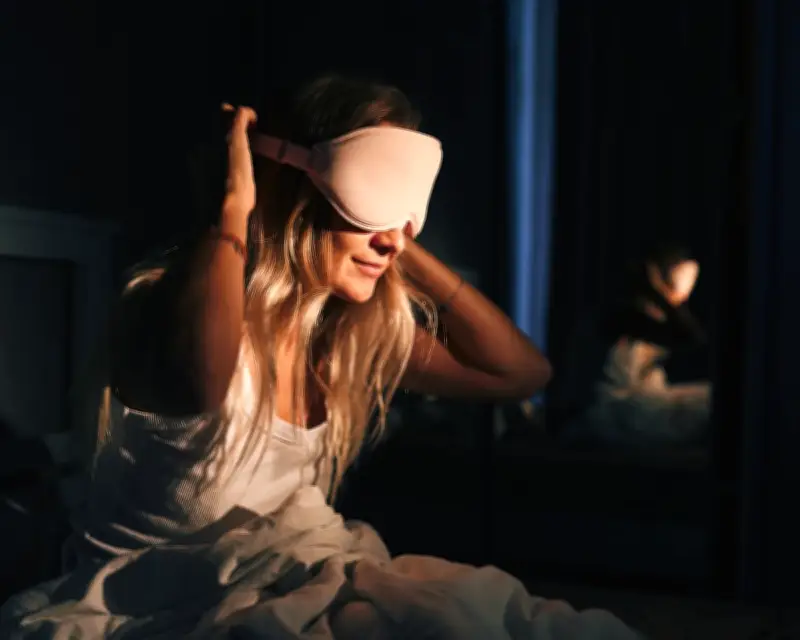
What Are Sleep Masks and How Do They Affect Skin?
Sleep masks, traditionally used to block out light for better sleep, are gaining attention for potential skincare benefits. Dermatologists explain that by promoting deeper sleep, these masks may help reduce signs of aging and improve skin complexion.
How Sleep Masks May Benefit the Skin
According to Dr. Jane Smith, a board-certified dermatologist, "Sleep masks can indirectly improve skin health by enhancing sleep quality. During deep sleep, the body produces growth hormone, which aids in cell repair and collagen production." A study from the National Sleep Foundation found that consistent use of sleep masks increases REM sleep by up to 20%.
Additionally, blocking light exposure can reduce oxidative stress on the skin. Light pollution at night can disrupt the circadian rhythm, leading to increased cortisol levels, which break down collagen and elastin.

Types of Sleep Masks and Their Materials
Sleep masks come in various materials, including silk, cotton, and satin. Silk masks are often recommended because they are gentle on the skin, reducing friction and preventing sleep lines. Dr. Smith notes, "Silk masks also help retain moisture, which is beneficial for dry skin."
Key Features to Look For
When choosing a sleep mask, consider the fit, material, and light-blocking capability. A contoured mask that doesn't press on the eyes is ideal to avoid pressure on delicate skin. Adjustable straps ensure a snug fit without causing headaches.
Potential Drawbacks
Some sleep masks may cause irritation if they are made from synthetic materials or if they are too tight. It's important to clean the mask regularly to prevent buildup of oils and bacteria, which can lead to breakouts.
Expert Recommendations
Dermatologists suggest incorporating a sleep mask into a nightly skincare routine. "Use a silk mask after applying your night cream to lock in moisture and protect your skin while you sleep," says Dr. Smith. For best results, combine with a consistent sleep schedule and a healthy diet.
Conclusion
While sleep masks are not a substitute for a comprehensive skincare regimen, they can be a valuable tool for improving sleep quality and, consequently, skin health. Consult a dermatologist for personalized advice.