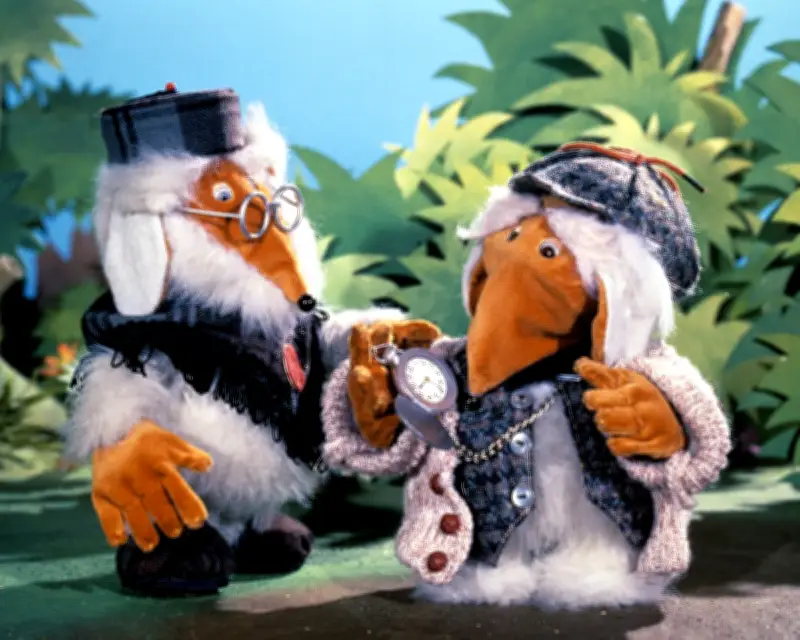
The Wombles, the beloved litter-collecting characters from the 1970s, are staging a comeback. A new production company aims to revive the franchise as a multi-platform international brand, starting with a YouTube channel this summer. But can these classic characters resonate with modern audiences?
A Cultural Phenomenon
At their peak in the mid-1970s, the Wombles were everywhere. Created by Elisabeth Beresford, they starred in a stop-motion animated TV show narrated by Bernard Cribbins, topped the music charts with eight hit records, and appeared on countless merchandise items. Beresford had strict rules for performers: no smoking, no drinking, and never remove the Womble head in public. A 1974 pantomime in Liverpool ended in disaster when a cast member broke that rule, leading to furious parents storming the stage.
Previous Reboots and Challenges
This isn't the first attempt to revive the Wombles. A 2016 CGI series featuring Ray Winstone was cancelled before airing. The last regular TV appearance was in the mid-1990s, though they've popped up in charity campaigns. The new reboot aims to introduce the Wombles to a generation that may not know them.

Environmental Message Then and Now
The original Wombles arrived at a perfect time, as environmentalism gained traction in Britain. Litter was a growing problem, and the Wombles' motto "make good use of bad rubbish" inspired children to clean up. Today, environmental issues are more contentious, and the Wombles could face accusations of being "woke" or political. The media landscape is also far more fragmented, making it harder for a single show to capture the public imagination.
Hope from Paddington's Success
However, the recent success of Paddington shows that classic characters can still thrive. Paddington's pro-immigration message was considered a tough sell, yet the franchise has become a global phenomenon. There is hope for the Wombles, provided they stay true to their roots and avoid missteps.