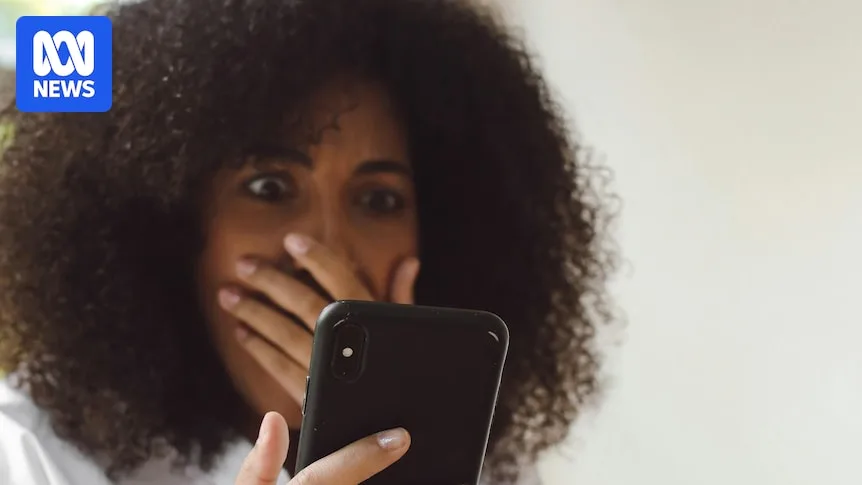
Celebrity scandals are a staple of mainstream media, often forcing fans to see their favourite artists, actors, or influencers in a new light. Whether it's controversy over a jeans ad, political disagreements, or criminal allegations, learning contradictory information about an admired figure can be confronting.
Psychologist Danya McStein explains that fans may experience a sense of betrayal and abandonment when faced with such news. Because celebrities are tied to memories and nostalgia, it can become difficult to separate the art from the artist. For instance, music that served as a soundtrack to one's youth may now evoke conflicting feelings.
The personal nature of these reactions stems from parasocial relationships—one-sided connections where fans feel intimately acquainted with a media figure who has no knowledge of their existence. Social media has amplified these relationships, allowing personalities to share curated details that fans idealise and fill with their own assumptions.

Toni Eagar, a senior lecturer at Australian National University, notes that parasocial relationships can provide comfort and alleviate loneliness, but they become fragile when scandals emerge. The level of betrayal depends on how central the figure is to the fan's life. Cognitive dissonance, or mental discomfort from conflicting beliefs, also plays a role.
Dr Eagar says people often expect celebrities to be morally superior, a notion rooted in historical views of artists as godlike. Living in online echo chambers further intensifies shock when a celebrity's views differ. Responses to scandals vary, with women often judged more harshly than men, who are more likely to be forgiven.