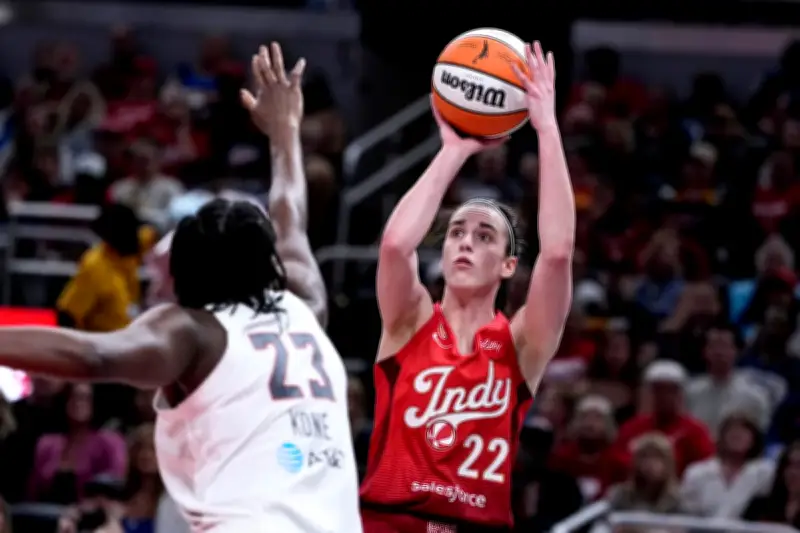
Indiana Fever guard Caitlin Clark never sought the role of political symbol, yet Trump administration allies have thrust her into the center of a new sports culture war. A group of Republican lawmakers, led by Texas Representative August Pfluger, threatened to involve the Department of Justice in the WNBA unless the league protects Clark from what they imply may be racially motivated hard fouls by Black players. This follows a White House report accusing the Smithsonian of anti-White activism, marking the third time in a month the administration has intervened in sports, targeting perceived anti-white, anti-straight, or anti-Christian bias.
Clark's Unwanted Spotlight
Clark has spent years avoiding direct political statements, even as her fan base includes anti-Black elements who claim her as their own. The government's implication that she needs federal protection from Black opponents forces her hand to address being positioned as a target. Howard Bryant, author of The Heritage, notes that Clark is being used by racists, misogynists, classists, and now a government hostile to her sport's culture.
Historical Parallels to Larry Bird
Bryant draws a comparison to Larry Bird, who similarly became a Great White Hope symbol in the late 1970s. Bird rejected the racial narrative, focusing on basketball and building up teammates of all races. Clark faces an even more invasive culture, where silence is seen as agreement. Her greatest risk is loss of political privacy, courtesy of a government that either misunderstands her interests or is willing to sacrifice her for division.

Financial Impact and League Tensions
Clark's arrival has brought unprecedented revenue to the WNBA, but also heightened pressures. The league's political voice has muted since 2020, when players like Maya Moore and Sue Bird were active. Now, the DOJ targets the league's queer and Black culture, using Clark as a pawn. The question remains: will Clark denounce the government, earning peer respect but risking ire from fans and the president, or remain silent, tacitly agreeing with her weaponization?