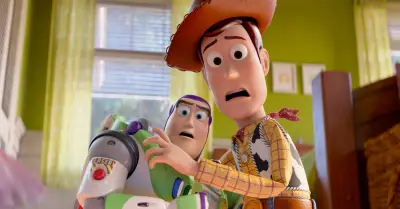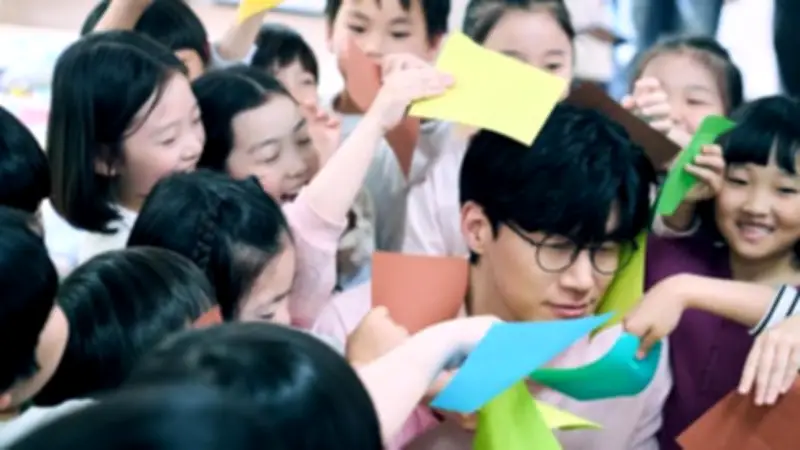
Within a week of its release, Netflix’s new Korean drama Teach You a Lesson, directed by Hong Jong-chan, topped the platform’s global non-English rankings for the week of June 1-7. Adapted from the popular webtoon Get Schooled (2020), the 10-episode series about a government-backed vigilante unit trying to fix the wrongs in schools has quickly become a highly rated breakout hit.
Described in a Forbes article as “one of the most addictive feel-good dramas of the year”, the series has exploded across Asia and beyond. Beneath its action, drama and satisfying takedowns lies a question troubling parents, educators and policymakers everywhere: what is education for, when the classroom itself is in crisis?
Lessons Worth Learning
Teach You a Lesson depicts a version of Korean society in which rising school violence and declining teacher authority have pushed the educational system to breaking point. South Korea’s education minister Choi Gang-seok, portrayed by Lee Sung-min, establishes the Educational Rights Protection Bureau (ERPB) after his daughter, a teacher, tragically dies at the hands of a student. The ERPB unit is granted extraordinary legal powers to intervene in troubled schools.

Leading the unit is Na Hwa-jin, played by Kim Mu-yeol. He is the action hero, the minister’s son-in-law, and a former Special Forces captain turned inspector. Hwa-jin teams up with the unhinged but fiercely trained Im Han-rim and the socially awkward yet technically gifted Bong Geun-dae. Much like the popular K-drama Taxi Driver (2021), but set in classrooms, each episode tackles a new case involving bullying, corruption, academic misconduct, juvenile crime, gambling, drug trafficking or exploitation.
Victims seek help when institutions fail them, and the ERPB steps in with swift, cathartic justice. The cases range from the spoiled son of a powerful politician being shielded from the consequences of his bullying, to a vocational school where violence is valued, and a student influencer who weaponises social media against teachers (with tragic results). Other episodes explore exam fraud, overbearing parents and the pressures of competition. Many even draw on real incidents, including a 2023 case in Seoul in which a young teacher took her own life after parental harassment.
By centring these compelling personal stories, the drama spotlights educational crises through the eyes of those harmed. As Minister Choi responds to those who accuse the bureau of taking personal revenge: “We are not on the teachers’ side or the students’ side. We are on the victims’ side.”
The Fantasy of Solving the Unsolvable
In this series, if a politician’s child bullies others, the show topples the politician. If a teacher exploits an honest student, that teacher is held to account. Reality is hard, so this kind of fantasy helps. At the same time, Teach You a Lesson has been criticised by Korean educators for glorifying violence and corporal punishment through narratives in which problematic teenagers, abusive parents and corrupt educators are physically punished or publicly humiliated.
Yet its popularity suggests viewers are seeking more than vigilante satisfaction. The uplifting dialogue and vivid characters offer escapism, and spark reflections on the failures of real educational systems. At its heart, the series is about standing with victims. One of its most striking lines comes as Hwa-jin reflects on collapsing authority in schools: “If adults become afraid of children, the world is doomed.”
Again and again, the drama returns to the need to be seen and heard. Victims are urged to speak up. As Hwa-jin tells one bullied student, if pain remains hidden, no one will know help is needed. The show also resists the simplistic binary of heroes versus villains. One young offender in juvenile detention is revealed to have once been a victim himself, someone whose suffering went unnoticed until it curdled into violence. His plea to Hwa-jin – “Could you promise me just one thing? Can you make sure that no one turns out like me?” – feels directed as much at the audience as at the character.

What, and Who, Is Education Really For?
This question, more than any fight scene or dramatic confrontation, helps explain why Teach You a Lesson has hooked global audiences. The appeal of its fantasy extends well beyond South Korea. The show notably went viral in China during “gaokao”, China’s fiercely competitive national university entrance exam season – tapping into widespread anxieties around pressure, fairness and opportunity.
Research suggests confidence in modern education is eroding across many countries, including Australia. Parents worry about bullying, teachers report unmanageable workloads and shrinking authority, and policymakers struggle to reconcile the competing demands placed on schools. At the same time, Teach You a Lesson is also deeply rooted in South Korea’s high‑stakes educational culture, where academic achievement is closely tied to social mobility, and where schooling carries enormous emotional and economic weight.
In the final episode, Hwa-jin tells the student responsible for his wife’s death “chances aren’t something you’re given, you earn them when you truly want them”. This line captures a belief that’s pervasive across East Asia and beyond: education is the best chance to earn a better life. But what happens when educators, parents and policymakers can’t access the adequate tools to deal with the problems in front of them – and certain people lose out as a result? What, then, is education really for?