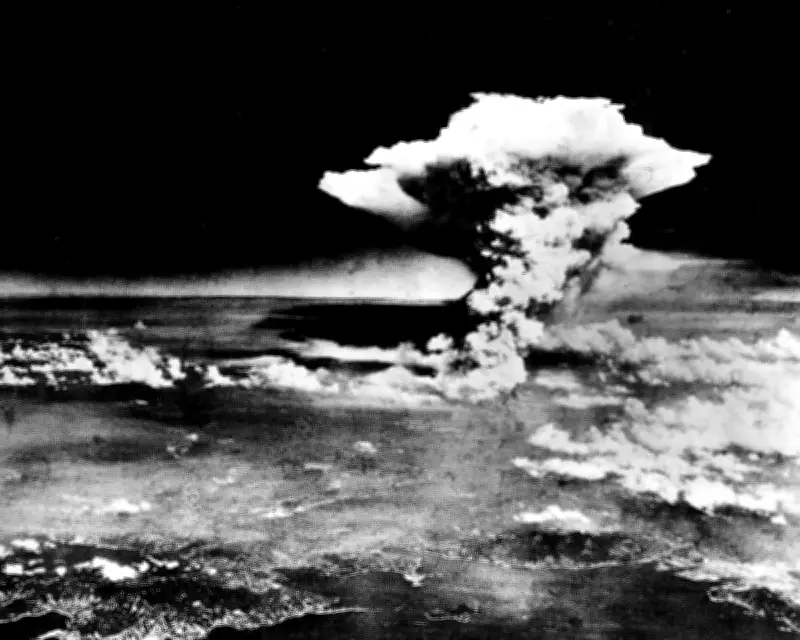
A long-lost memoir written by a Hiroshima survivor has been unearthed in an American archive, providing a harrowing firsthand account of the atomic bombing and its enduring consequences. The manuscript, penned by Dr. Michihiko Hachiya, a physician who was present during the attack on August 6, 1945, had been missing for decades before being found among the papers of a former US Army medical officer.
Discovery in the Archives
The memoir was discovered by researchers at the University of California, Berkeley, who were cataloging documents donated by the family of Dr. James V. Neel, a geneticist who studied the effects of radiation on survivors. Neel had worked in Hiroshima after the war and had obtained the manuscript from Hachiya, but it was never published in English. The 300-page typescript, titled 'The Day the Bomb Fell,' offers a detailed chronology of the bombing and its immediate aftermath, as well as reflections on the long-term medical and psychological toll.
Significance of the Find
According to Dr. Susan Lindee, a historian of science at the University of Pennsylvania who verified the manuscript's authenticity, 'This is a crucial addition to the literature of atomic warfare. Hachiya's account is both clinical and deeply personal, capturing the chaos and suffering in a way that official reports cannot.' The memoir includes descriptions of patients with severe burns, the collapse of the hospital, and the struggle to treat the wounded with limited supplies.

Hachiya's wife was also injured in the blast, and the memoir recounts her treatment and eventual recovery. The manuscript was written in English, as Hachiya had studied medicine in the United States and was fluent in the language.
Publication Plans
The University of California Press has announced plans to publish the memoir in 2027, with annotations by historians. The book is expected to include Hachiya's original text, as well as contextual essays on the bombing and its legacy. 'This memoir provides a unique perspective from a trained medical professional who was both a victim and a caregiver,' said editor Dr. Robert Jacobs of the Hiroshima Peace Institute.
The discovery has generated excitement among historians and survivors' groups, who hope it will help preserve the memory of the atomic bombing for future generations. The memoir is one of many firsthand accounts that have emerged over the years, but its existence in an archive for so long without being recognized underscores the ongoing work of uncovering historical documents.