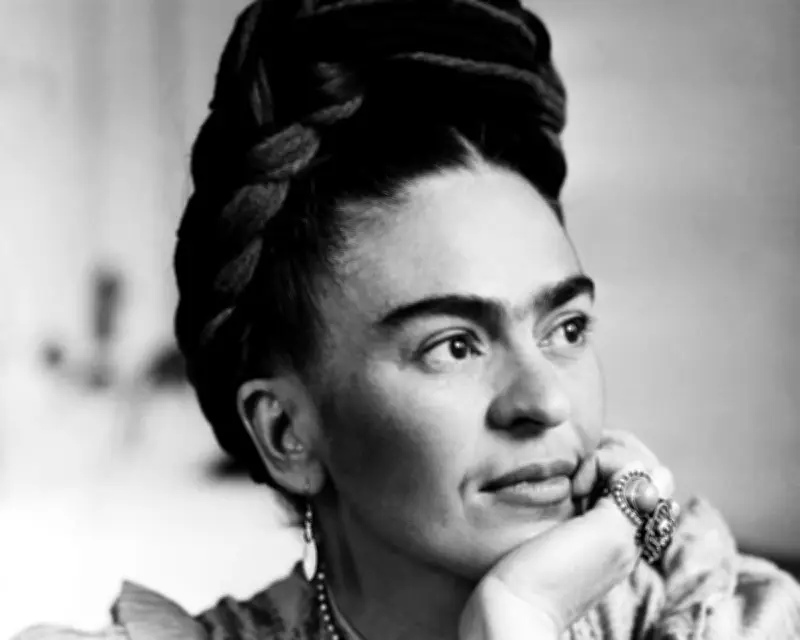
Frida Kahlo, the iconic Mexican artist known for her self-portraits and unibrow, has become a global brand. Her face adorns everything from socks to shot glasses, and her image is used in countless memes and social media posts. But what would Kahlo, who died in 1954, think of this rampant commercialisation?
The Rise of Kahlo-mania
In recent years, Kahlo's popularity has skyrocketed. According to a 2024 study by the University of Mexico, her image appears on over 10,000 products worldwide, generating an estimated $500 million annually. This phenomenon, dubbed "Kahlo-mania," has turned the artist into a symbol of feminism, resilience, and Mexican culture.
However, many critics argue that this commercialisation trivialises her art and personal struggles. Kahlo endured polio, a near-fatal bus accident, and a turbulent marriage to Diego Rivera, all of which deeply influenced her work. Today, her image is often used without context, reducing her complex legacy to a superficial icon.

Art Experts Weigh In
Art historian Dr. Maria Lopez says, "Frida would likely be horrified by the kitsch. She was deeply serious about her art and identity. The commodification of her image strips away the pain and politics that defined her." Others, like curator Carlos Mendez, argue that Kahlo would appreciate the widespread recognition. "She wanted to be remembered. This popularity keeps her spirit alive, even if it's through a coffee mug."
Kahlo's own words from her diary: "I used to think I was the strangest person in the world, but then I thought there are so many people like me." This sense of connection might align with her global appeal today.
The Impact on Art and Culture
The Kahlo-mania trend has also sparked a broader debate about the commercialisation of art. From Van Gogh to Warhol, many artists have become brands, but Kahlo's case is unique due to her personal narrative. Her image is often used in social justice movements, but critics say this can be exploitative.
A recent exhibition in Mexico City, "Frida: Beyond the Myth," attempted to refocus attention on her art. The show featured 50 of her original works, drawing 200,000 visitors in its first month. Curator Ana Ruiz explained, "We wanted to remind people that Frida was an artist first, not a meme."
What Would Frida Think?
While we can never know for sure, Kahlo's own actions offer clues. She was meticulous about her public image, often dressing in traditional Tehuana clothing and styling her hair with ribbons. She also had a sharp wit and a rebellious streak. In 1953, she appeared at her solo exhibition in a hospital bed, making a statement about her physical pain and artistic presence.
Perhaps Kahlo would see the kitsch as a double-edged sword: a testament to her enduring relevance but also a distortion of her message. As the debate continues, one thing is clear: Frida Kahlo remains a powerful force in art and culture, whether she would approve or not.