During the quiet moments of lambing and calving season, I always like to have a project to occupy my mind. Some years I have written books; this year, I am delving into my family history, specifically wondering if any of my ancestors might have visited Low Borrowdale farm when it was a coaching inn in the 1700s. I already knew they were involved in fell pony haulage across northern England, but could they have stopped here for a drink?
Tracing the Binks Family
My maiden name is Binks, and I am focusing on that line. My grandad's grandad, George Binks, was a fell pony haulier who lived in Great Asby from 1862 to 1934. My grandad pointed out the house he lived in, just eight miles from our farm. Going back further, two more generations of George Binkses lead to 1785, when one was born in Middleton-in-Teesdale and died in 1840 at Kirkby Stephen, 11 miles away.
Ancestral Movements
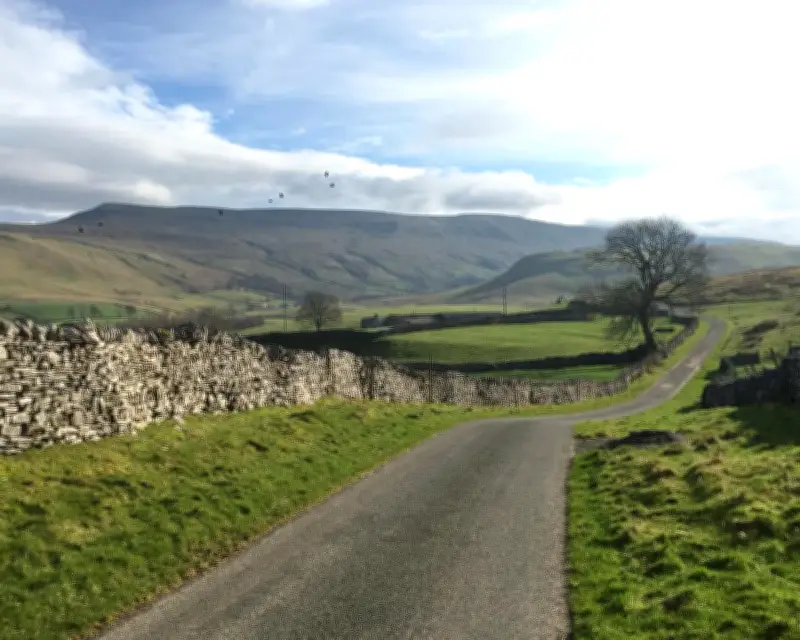
Two more generations back, Mark Binks was living in Middleton-in-Teesdale. Born in 1726, could he have visited the coaching inn, built in 1742? Possibly, but Middleton is 33 miles from home. It is remarkable to me that my ancestors have moved only 33 miles in 300 years – no wonder I feel such a strong bond to this area and its landscape.

Even more astonishing is the discovery that Mark Binks' grandfather, Christian Binks, was born in Middleton but died in Crosby Ravensworth in 1698. The day I found this out, I had taken my dogs for a walk around Crosby and its churchyard, eight miles from our farm. Had we passed by Christian Binks's grave, buried there over 300 years ago?
A Legacy of 440 Years
I have now traced my Binks family tree back to 1553 in Yorkshire. Sadly, when I changed my name to Meanwell upon marrying in 1993, that was the end of the Binks line; 440 years of the name vanished. Perhaps I will adopt Binks as a middle name by deed poll to ensure the name does not disappear after all this time.
But now I must stop pondering and return to farming. We have sheep to sell this week and lambs to mark with our smit mark, just as many of my ancestors would have done.