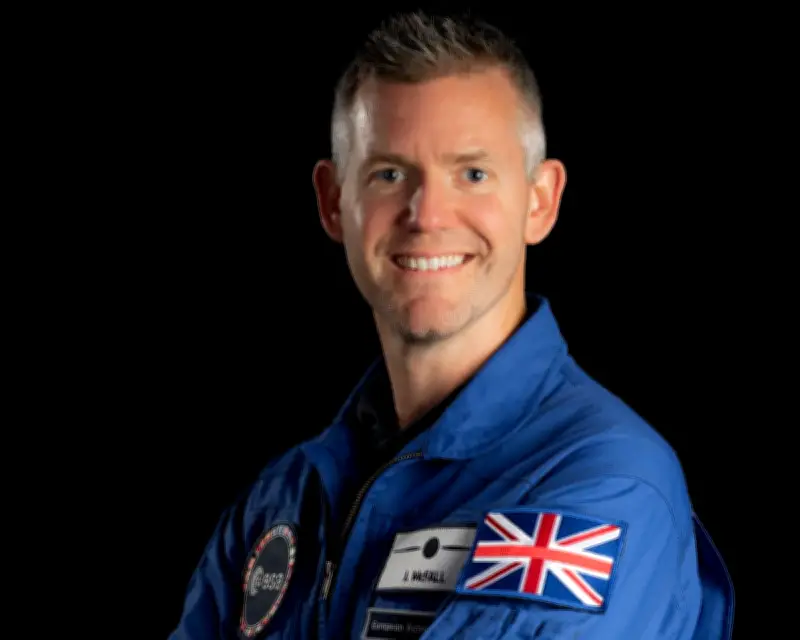
John McFall, a British Paralympian and orthopaedic surgeon, could become the first person with a physical disability to live in orbit after the UK Space Agency signed a deal with a US company building a commercial space station. McFall, a member of the European Space Agency (ESA) astronaut reserve, was cleared for activities in orbit last year and may take part in a mission to the Haven-1 space station soon after its proposed launch in 2027.
Vast, a California startup, is in advanced stages of constructing Haven-1, which is slightly smaller than a single-decker bus. The station will house up to four astronauts and features a maplewood veneer interior, a domed window for observing Earth, and a laboratory for microgravity research. McFall described it as an exciting opportunity.
The two-week mission will focus on how the space environment affects McFall's body and the effects on modern prosthetic limbs, which often rely on sensors and microprocessors. His research could bring benefits for disabled people by driving designs for lighter and more adaptable prosthetics, as well as further understanding of conditions like osteoporosis and muscle wastage, and improve rehabilitation programmes for amputees.

Beyond scientific goals, McFall said the mission would challenge preconceptions about jobs people with disabilities can do. He emphasised that people with disabilities are equally capable and that the mission demonstrates open-mindedness and opportunity.
A memorandum of understanding involves the UK Space Agency supporting Vast to secure sponsorships for McFall's flight. He and other astronauts would travel to Haven-1 in SpaceX's Crew Dragon capsule on a Falcon 9 rocket. Another option is a private mission with Vast to the International Space Station (ISS) next year.
McFall, 45, from Hampshire, lost his right leg in a motorcycle accident at age 19. After hospital, he took up sport and won bronze in the 100m at the 2008 Beijing Paralympics. He later qualified as an NHS orthopaedic surgeon. In 2022, he was selected for ESA's Fly! project, which explores whether astronauts with physical disabilities can take part in long-duration ISS missions.
McFall expressed personal motivation: challenge, adventure, intrigue, and quenching curiosity for knowledge and science. He wants to be a good astronaut and do his job well, not just be a PR stunt or fad. He is happy to be a pioneer but prioritises value for space exploration and wider society.
If McFall's flight goes ahead, he would be the first Briton in space since Tim Peake's six-month ISS mission in 2015-16. Peake called McFall an inspiration and said the agreement is a landmark moment for inclusive human spaceflight.