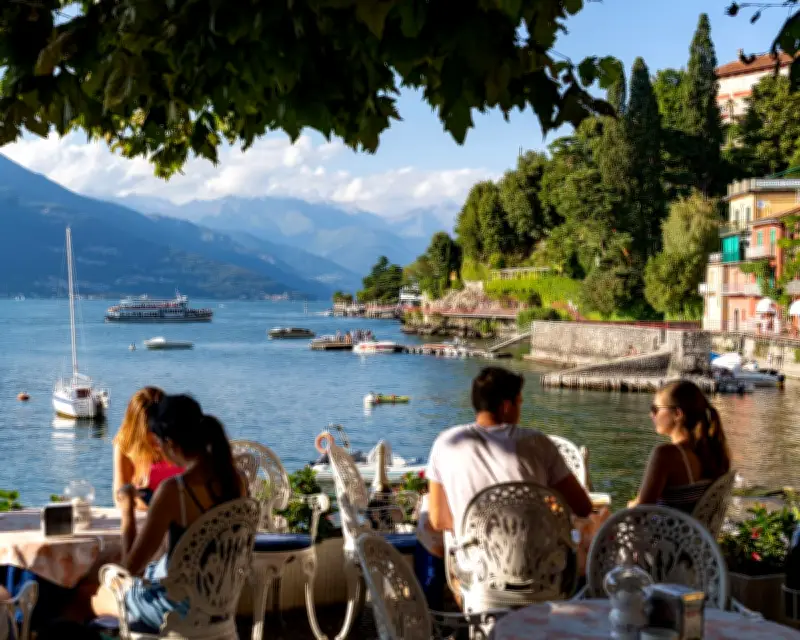
The picturesque Italian village of Sorrento has announced that tourists caught walking around bare-chested or in swimwear will face fines of up to €200. The new regulation, set to take effect from August 1, 2026, is aimed at preserving public decorum and respecting local traditions in the popular coastal destination.
Details of the New Dress Code
According to the local mayor, Giuseppe Cuomo, the rule applies to all public areas outside of designated beaches and swimming pools. Offenders will be subject to fines ranging from €25 to €200, depending on the severity of the infraction. The measure has been introduced in response to growing complaints from residents and business owners about tourists walking through the town center in inappropriate attire.
"We want to maintain a certain level of respect for our community and its customs," Mayor Cuomo said in a statement. "While we welcome tourists, we expect them to dress appropriately when not at the beach or pool."

Impact on Tourism
Sorrento, located on the Amalfi Coast, attracts millions of visitors annually. The new fines are part of a broader trend across Italian tourist hotspots, including Venice, Florence, and Capri, which have implemented similar rules to combat overtourism and preserve local culture. Local authorities hope the measure will encourage tourists to be more mindful of their attire while exploring the village's historic streets and piazzas.
The announcement has sparked mixed reactions. Some tourists have expressed understanding, while others feel the fines are excessive. "I can understand not wanting people in swimwear in a restaurant, but fining someone for walking down the street without a shirt seems a bit harsh," said British tourist Mark Thompson, 34, visiting with his family.
Enforcement and Exceptions
The fines will be enforced by local police, who have been instructed to issue warnings before imposing penalties. Exceptions will be made for children under the age of 12 and for individuals with medical conditions that require them to be bare-chested. The regulation also allows for special events, such as festivals or sporting activities, where dress codes may be relaxed with prior approval.
Local business owners have largely supported the move. "It's about common sense and respect," said Maria Rossi, owner of a café in the town square. "We want tourists to enjoy their stay, but they should also remember that this is someone's home."
Broader Context
Italy has seen a surge in tourism post-pandemic, leading to increased tensions between visitors and locals. In addition to dress code regulations, several cities have introduced measures to limit crowd sizes, ban eating on steps, and restrict access to popular landmarks. The fines in Sorrento are the latest example of efforts to balance tourism revenue with quality of life for residents.
As the August start date approaches, local authorities are planning an awareness campaign to inform tourists of the new rules. Signs will be posted at entry points to the village, and hotels have been asked to remind guests about the dress code upon check-in.