Queueing has undergone a remarkable transformation, evolving from a mundane necessity into a trendy social activity. But as economic pressures mount, some wonder if this shift is merely preparing us for harsher realities ahead.
The Rise of the Viral Queue
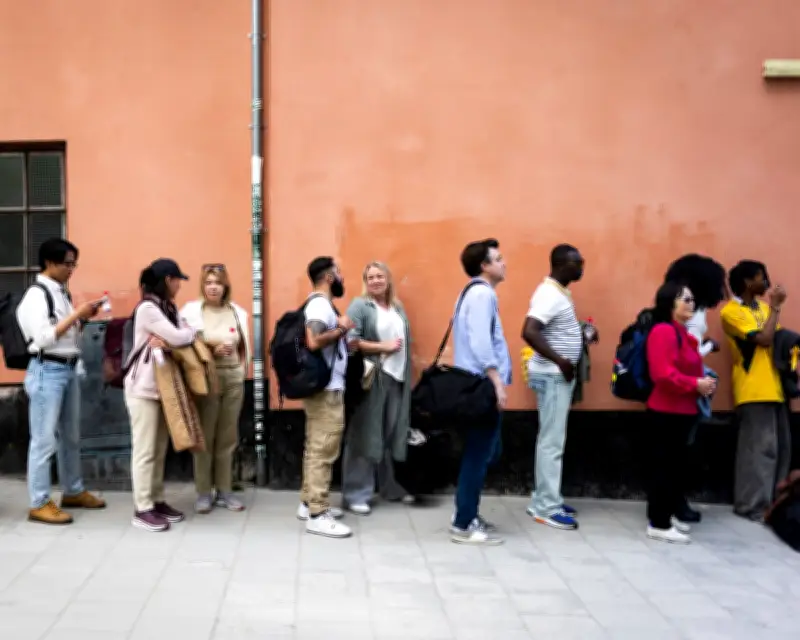
In New York, a reporter recently queued for an hour to sample frozen yoghurt, describing the experience as fostering "affection for my cluster of line, the kind of camaraderie you develop with fellow passengers on a delayed flight." The yoghurt, she admitted, was not worth the wait. Across the UK, viral bakeries, pizza joints, and even baked potato spots draw long lines, with customers patiently waiting for artisanal treats. In York, locals now queue at brunch spots and bakeries, a phenomenon previously reserved for tourists at the Jorvik Viking Centre or Bettys tearoom.
Why have queues become ubiquitous? Social media amplifies their appeal, with influencers and manufactured scarcity driving demand. The Wimbledon Queue even has a downloadable code of conduct, treating the queue as an event in itself.

Queueing as Community Building
Some argue that queues serve a deeper social function. The New York Times reporter pondered whether the fro-yo queue was really about loneliness: "Free public space is disappearing from urban infrastructure. Not enough people are meeting their neighbors … So maybe the lines for viral foods are just due to get longer and longer each year, like an IRL bar chart of American loneliness." This theory was echoed in January by the Londoner, where the co-owner of Toad bakery in Camberwell called their queue "a rare communal thing that brings people together with a shared interest that isn’t to do with drinking," noting the "nice interactions" it stimulated. On Substack, writer Lauren O’Neill described bakery queues as places to "arrange to meet friends for a two-birds-one-stone catch-up."
This aligns with a broader trend toward "soft socialising"—low-key, no-frills gatherings like "admin nights" and hanging out in humdrum ways. If queueing offers a low-pressure way to feel connected, perhaps the real treasure is the friends made along the way.
Warnings of a Darker Purpose
However, not everyone is convinced. The author expresses wariness about rebranding queues as a "third space," noting they exclude those who cannot stand for an hour. More ominously, she sees echoes of wartime propaganda in the queue's glow-up: "with dire warnings of a looming food crisis and imminent recession, the queue’s glow-up has echoes of wartime propaganda, as if we’re gently prepping ourselves for worse things ahead."
She points out that austerity and Brexit have closed libraries, leisure centres, and youth clubs, but if queues are desirable community experiences, should we thank the government for creating them? People now queue from 5am for NHS dentists, endure long waits at GPs and A&E, and bond over border control delays. "Patience is a virtue, yes, but I’m not sure it’s always the appropriate response," she concludes.
A Personal Recession Indicator
For the author, queueing for a pain au chocolat being reframed as a convivial treat is a personal "recession indicator." While she acknowledges the potential for connection, she remains skeptical of a trend that may be preparing us for scarcity rather than genuine community.