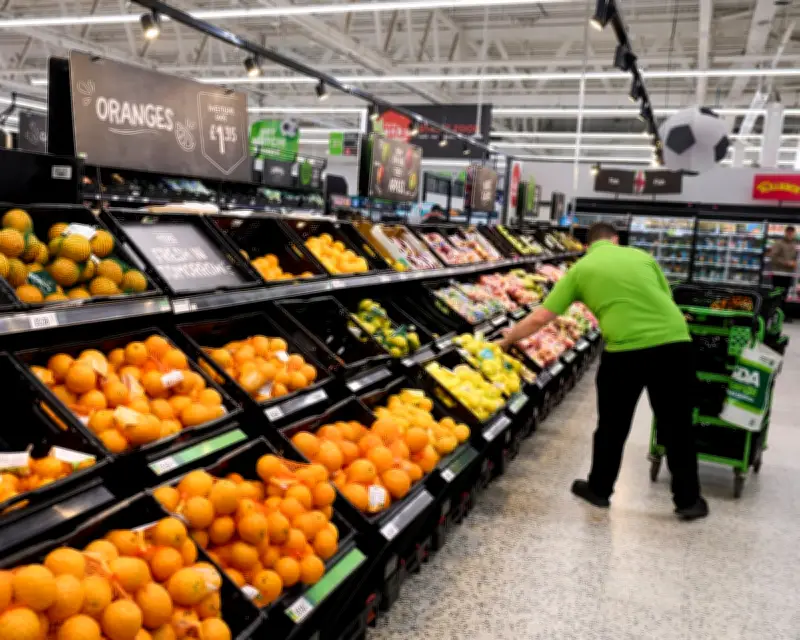
Brexit has added an estimated £210 to the average UK household's annual shopping and travel bills, with supermarkets and holidaymakers bearing the brunt of new trade barriers and passport fees, according to a new analysis by the London School of Economics (LSE).
Impact on Supermarket Prices
The LSE study found that food and drink prices in UK supermarkets have risen by 6% since the Brexit transition period ended in January 2021, costing the average family an extra £120 per year. The increase is attributed to new customs checks, paperwork, and tariffs on imports from the European Union, which previously enjoyed tariff-free access. Products such as cheese, wine, and fresh produce have been particularly affected, with prices rising up to 10% for some items.
"The additional costs are being passed directly to consumers," said Dr. Emily Jones, lead author of the report. "Supermarkets are facing higher import costs, and they have little choice but to increase shelf prices." The report notes that UK retailers have also struggled with labor shortages in logistics and warehousing, further exacerbating price pressures.

Holiday Travel Costs Surge
Holiday travel has become significantly more expensive, with the average family trip to the EU now costing an extra £90 due to new passport requirements and travel insurance premiums. Since Brexit, UK passport holders must ensure their passports have at least six months' validity for EU travel, a rule that has caught many travelers off guard. The cost of renewing a passport has also risen, now standing at £82.50 for a standard adult passport, up from £75.50 in 2020.
Travel insurance premiums for EU trips have increased by an average of 15%, as insurers factor in the loss of the European Health Insurance Card (EHIC), which was replaced by the UK Global Health Insurance Card (GHIC) but with reduced coverage. "Many families are finding that their holiday budget has been stretched by these hidden costs," said a spokesperson for the consumer group Which?. "The additional passport validity rules are causing last-minute cancellations and extra expenses."
Broader Economic Impact
The LSE analysis estimates that the cumulative impact of Brexit on household finances could reach £2,000 per year by 2030, as businesses continue to adjust to new trade arrangements. The study highlights that small businesses, which rely on EU imports and exports, have been disproportionately affected, with many reporting a 20% drop in trade volumes since the Brexit deal.
"The full cost of Brexit is only now becoming apparent," said Professor John Springford of the Centre for European Reform. "Consumers are seeing the effects in their weekly shopping bills and holiday expenses, and there is little sign of relief." The UK government has defended the Brexit deal, arguing that it allows the country to strike its own trade agreements and control immigration, but critics say the economic costs are outweighing the benefits.
According to the Office for Budget Responsibility, Brexit is expected to reduce UK GDP by 4% in the long term, a figure that the LSE study echoes. The report calls for measures to ease trade friction, such as mutual recognition of standards and reduced customs bureaucracy, to help lower prices for consumers.