A landlord in Mandurah, south of Perth, is facing a repair bill exceeding tens of thousands of dollars after his rental property was allegedly used as a clandestine meth lab.
Discovery of contamination
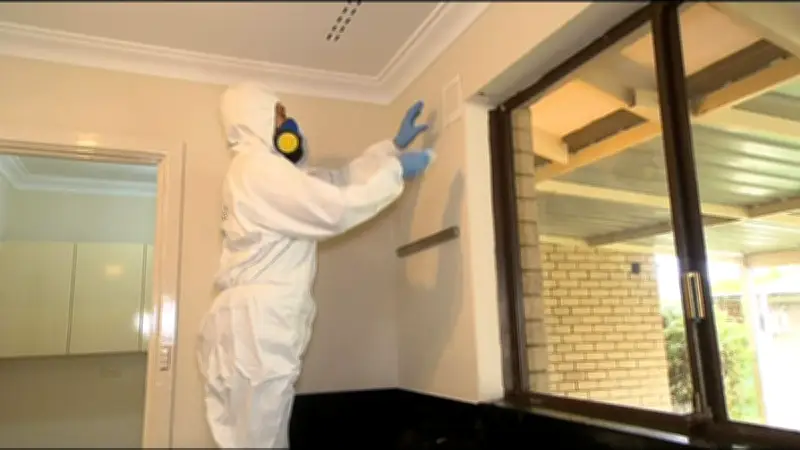
A cleaner noticed stains on the ceiling of Rory Pearson's property and recommended a drug test. The results revealed drug residue at levels 200 times higher than Australian guidelines consider safe. Testing of extractor fans indicated meth was being cooked in the bathrooms, and roof insulation showed high contamination, requiring full replacement.
“This house had to be defumed from top to bottom, everywhere,” Pearson told 7NEWS.

Insurance battle and cleanup costs
The discovery triggered a months-long dispute with his insurance company, which initially sent cleaners in shorts and sandals without protective equipment. “He tried to come in. I said to him, ‘mate, do not come in, you’re 21 years old, you’re not accredited’. I then shut the door and asked him to leave,” Pearson said. He sent them away and hired specialists, incurring a $50,000 bill. “I’m out of pocket over $200,000 on the market value of the property,” Pearson added. “As for the next 10 years, if I ever sell this property I have to now declare that it’s a contaminated site.”
Legislative loophole
The incident exposed a loophole in legislation: no qualifications are required to remove hazardous waste from meth labs. According to the Guide for Testing and Remediation of Methamphetamine and Illicit Drug Residues in Residential Properties, “there is no mandatory license or certification currently required … for remediating clan labs in Australia”, though it recommends suitably qualified personnel. Proof of cleaning is also not required under the Residential Tenancies Act 1976, and there are no specific fines for non-compliance. Long-term exposure to meth residue can damage vital organs and lead to birth defects.