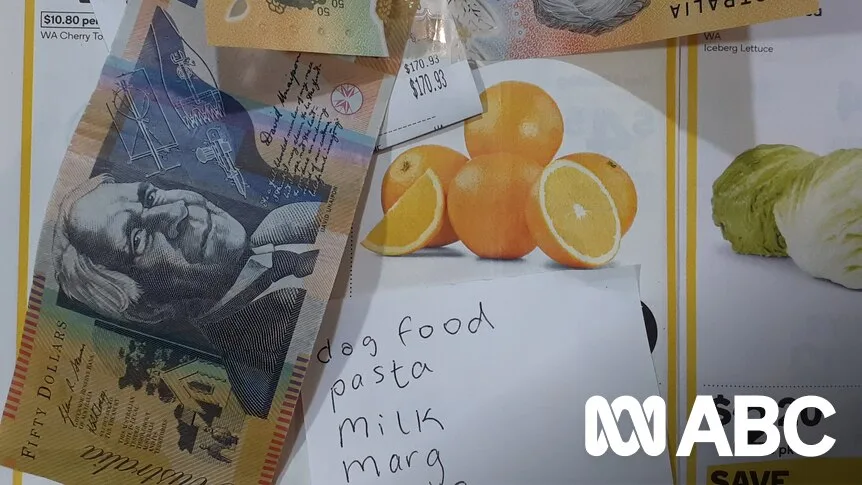
New figures from the Australian Bureau of Statistics show household spending rose by just 0.2% in September and the September quarter, driven entirely by essential items such as food, health, and petrol. Discretionary spending remains flat as cost-of-living pressures force Australians to cut back.
On Melbourne Cup Day, 19-year-old racegoer Elsie said she bought concession tickets and made her own outfit to save money. She works three jobs but still cannot afford rent without parental support. Jake, who recently moved from Newcastle to Melbourne, said nearly all his paycheck goes to rent and groceries, leaving nothing for leisure.
Sydney resident Silke has put her house back on the market just three years after buying it, as mortgage rates rose from below 3% to over 7%. She cannot raise the tenant's rent enough to cover the shortfall, making the property unaffordable.

Dr Cassandra Goldie, CEO of the Australian Council of Social Service, said the data is unsurprising. She noted that people on low incomes are spending every dollar on essentials, with food becoming a discretionary item for many. JobSeeker recipients, who receive just $400 per week, are 14 times more likely to skip a substantial meal daily.
Goldie called for increased investment in public and social housing, higher Social Security payments, and faster energy transition to help low-income households reduce bills. The Reserve Bank is widely expected to keep interest rates on hold after last week's inflation data, dashing hopes of a pre-Christmas rate cut.