In November 1869, workers from Maitland and Newcastle gathered to form the Newcastle Trades Hall Council, a pivotal moment in the region's labour history. These tradespeople, stonemasons, carpenters and engineers understood that the only power workers have is the power they build together. Their efforts marked the global struggle for the eight-hour day, a fight that belongs profoundly to the Hunter region.
Workers in the Hunter agitated for the eight-hour day before the movement had a name, before most unions had local branches, and before any government was willing to concede without a fight. The industries built by these workers tell a continuous story of skilled hands and organised labour, from the railway workshops of the 1870s to the Walsh Island Dockyard, where 2,500 tradespeople built ships, bridges and buses. Generations poured steel at BHP from 1915 until its closure in 1999, and today, workers at Tomago continue to fight for wages that keep pace with the cost of living.
This year's May Day theme celebrates unions and the industries workers have built, but it is not a nostalgic exercise. The transition away from these industries is coming, and it will either be managed in the interests of workers and communities or it won't. The difference between these outcomes depends on whether workers are organised, whether unions have a seat at the table, and whether the labour movement is prepared to fight for a just transition rather than accept whatever is offered.

The founding generation of the Newcastle Trades Hall Council knew that workers do not receive fairness; they win it. Every standard taken for granted today—the weekend, annual leave, superannuation, penalty rates and the right to organise—was won by people told those things were impossible, unreasonable or bad for the economy. They were told to be grateful for what they had, but they marched instead.
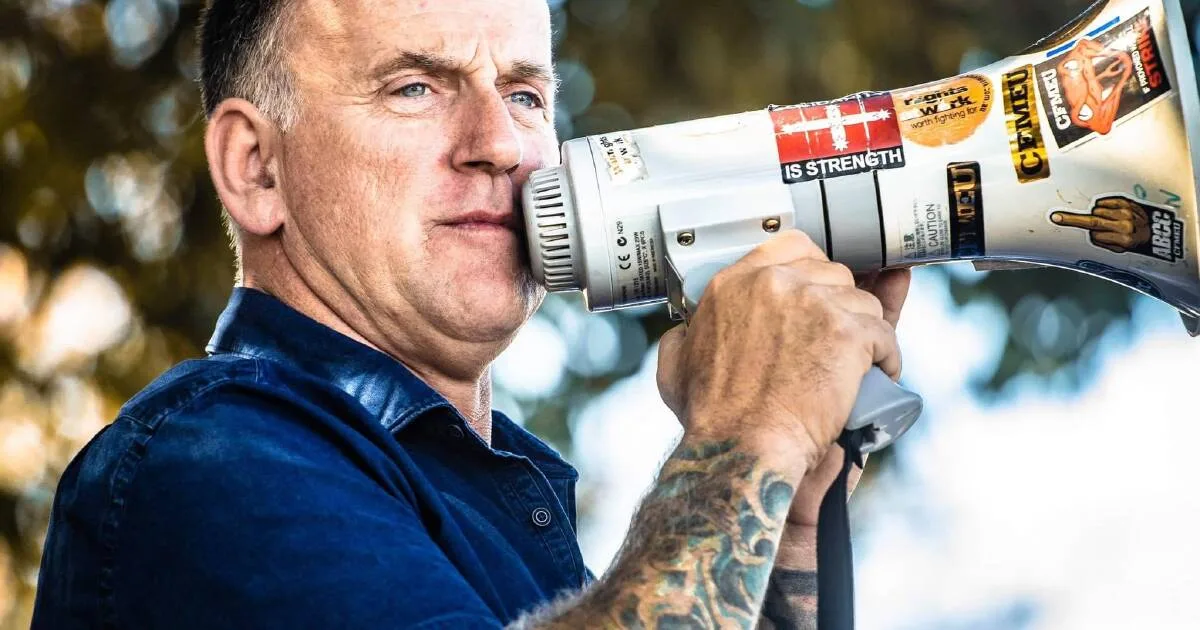
On May Day 2026, workers will march again, not because the fight is over, but because it never is. The union movement built this region, and Hunter Workers built the union movement. The march is a call for a seat at the table in shaping the Hunter's future.