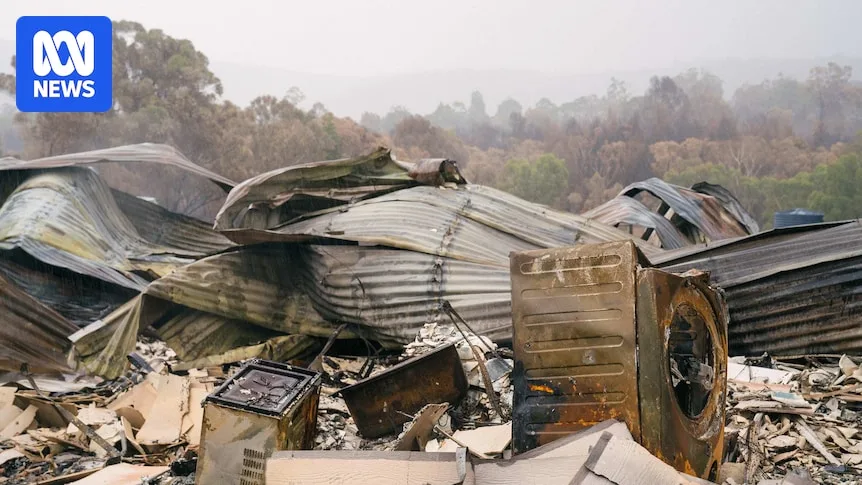
A new federal government report warns that one million Australian homes could become effectively uninsurable by 2050 due to climate change. The National Climate Risk Assessment, the most comprehensive of its kind, highlights that properties in 'very high risk' zones will face skyrocketing insurance costs or complete loss of coverage.
The assessment projects a $611 billion loss in property value by 2050 under a 2 degrees Celsius warming scenario, alongside $211 billion in lost wealth from reduced labour productivity. Even under moderate warming, some areas will become too costly to live in, requiring changes to planning laws and insurance business models.
Insurance industry data shows insured losses from catastrophes have risen from 0.2% of GDP (1995-2000) to 0.7% (2020-2024). Already, 15% of household insurance premiums exceed four weeks of gross household income. Experts warn that systemic risks from bushfires, floods, and rising sea levels threaten the insurance model, which relies on rare, unlucky events.

Emma Aisbett, an economist at the Australian National University, said the property value loss reflects broader economic contraction. 'Industries are dying, people can't afford the houses,' she said, adding that disaster-related losses come on top of modelled effects. Ian Dunlop, a former Shell executive, warned that uninsurable homes could halt mortgages and relocation, creating severe economic consequences.
The report's release precedes the federal government's announcement of a 2035 emissions target, to be taken to New York. The Climate Change Authority notes that current global commitments would lead to about 2.9°C warming. The government also released a national adaptation plan, with an 'action agenda' to be finalized by end of 2026.