A Life-Changing Experience at the Dole Office
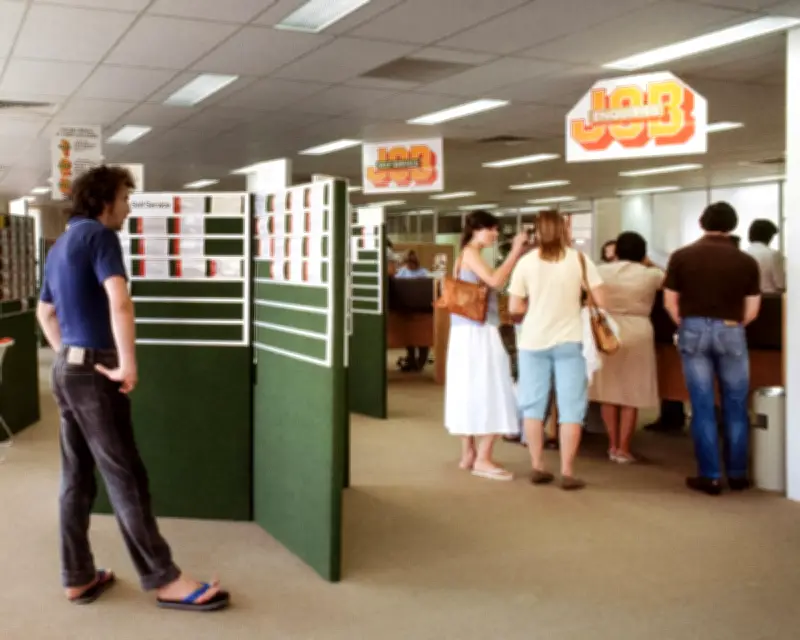
Working at a dole office transformed my understanding of unemployment and the people navigating the welfare system. Contrary to popular stereotypes, the vast majority of job seekers I encountered were desperate for work, not looking for handouts.
My role involved processing claims and providing support to individuals who had lost their jobs or were unable to find employment. Each day, I witnessed the frustration and determination of people who wanted nothing more than a steady paycheck and a sense of purpose.
Challenging Stereotypes
One of the most striking observations was the diversity of people who relied on unemployment benefits. They included former executives, recent graduates, single parents, and skilled tradespeople. Many had been actively applying for jobs for months, only to face rejection after rejection.

According to a colleague who had worked at the office for over a decade, the number of people who genuinely tried to avoid work was minuscule. The system, however, often failed to recognize their efforts.
The Emotional Toll
The emotional toll on job seekers was palpable. I remember one man who broke down in tears because he couldn't afford to buy his daughter a birthday present. He had been applying for jobs for six months and had only received two interviews.
Another woman, a former accountant, had applied for over 200 jobs in three months without success. She told me, 'I just want to work. I don't want to be on welfare. It's destroying my self-esteem.'
Systemic Issues
The system itself often compounded the problem. Strict compliance requirements and punitive measures created additional stress for those already struggling. Many job seekers spent hours each week proving they were looking for work, time that could have been spent on actual job applications or upskilling.
One study cited by a government report indicated that over 80% of unemployment benefit recipients were actively seeking work, but the labor market simply couldn't absorb all job seekers, especially in regions with high unemployment.
A Call for Empathy
My time at the dole office fundamentally changed my perspective. It taught me that unemployment is often a structural issue, not a personal failing. The people I met were resilient, hardworking, and eager to contribute to society. They deserved empathy and support, not judgment.
As I moved on to a different career, I carried with me the stories of those individuals. They reminded me that behind every statistic is a human being with dreams and aspirations, just waiting for an opportunity.