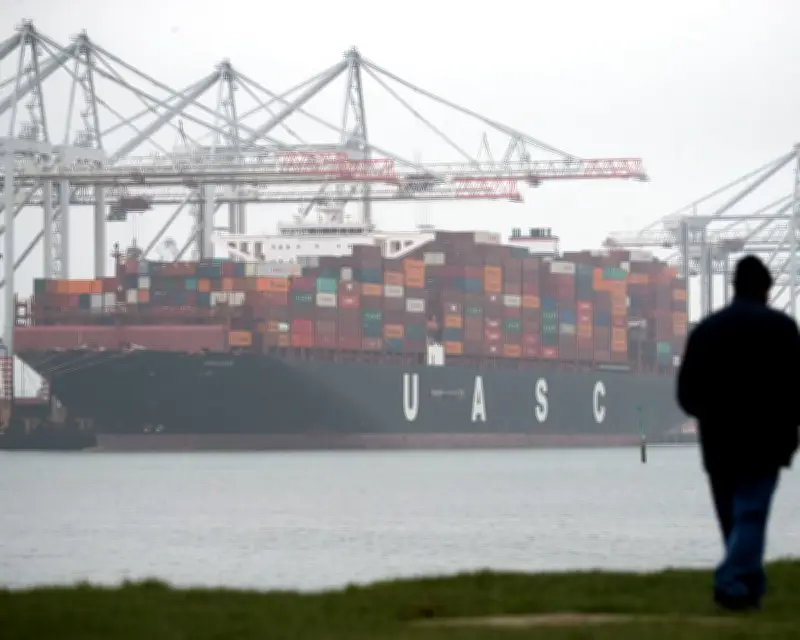
UK food and drink exports fell by 12% in the first quarter of 2026 compared to the same period last year, according to new data from the Food and Drink Federation (FDF). The decline is attributed to the combined impact of US tariffs and ongoing trade friction with the European Union following Brexit.
US Tariffs and Brexit Drag Down Exports
The FDF report shows that exports to the United States, the UK's largest non-EU market, dropped by 18% in Q1 2026. This follows the imposition of US tariffs on a range of British goods, including Scotch whisky, cheese, and pork. Meanwhile, exports to the EU, which accounts for 60% of UK food and drink exports, fell by 9% due to increased customs checks and regulatory barriers.
Overall, UK food and drink exports totaled £4.8 billion in Q1 2026, down from £5.5 billion in the same quarter last year. The FDF warned that the trend could worsen if trade tensions escalate further.

Industry Calls for Government Action
Ian Wright, chief executive of the FDF, said: “These figures are a stark reminder of the challenges facing our industry. US tariffs and Brexit red tape are hurting British businesses and farmers. We urge the government to negotiate a better trade deal with the EU and resolve the US tariff dispute swiftly.”
The FDF also highlighted that smaller producers are particularly affected, as they lack resources to navigate new customs procedures. Many have reported losing EU customers due to delays and added costs.
Impact on Key Sectors
The Scotch whisky industry, a major export earner, saw exports to the US fall by 22% in Q1 2026. The US is the largest market for Scotch whisky, and the 25% tariff imposed in 2025 has significantly reduced sales. Similarly, UK cheese exports to the US dropped by 30%, while pork exports fell by 15%.
Exports to the EU were hit by new health certification requirements and border checks, which have added an average of 5% to costs. The FDF estimates that Brexit-related trade friction is costing the sector £1.2 billion annually.
Broader Economic Context
The decline in food and drink exports comes amid broader economic challenges for the UK. The FTSE 100 fell 0.8% on Friday, while the pound weakened against the dollar and euro. Oil prices also dropped on concerns about global demand.
Economists warn that persistent trade barriers could undermine the UK's post-Brexit trade strategy. The government has been seeking new trade deals with countries like India and Australia, but these have yet to offset losses from EU and US markets.
Government Response
A spokesperson for the Department for Business and Trade said: “We are committed to supporting our food and drink exporters. We are working to reduce trade barriers with the EU and are in active discussions with the US to resolve tariff issues.” However, no timeline for a resolution was provided.
The FDF has called for the government to provide more financial support to help businesses adapt to new trade requirements, including funding for digital customs systems.